
Vegan fashion now offers sustainable alternatives to traditional wool and silk using plant-based fibers like hemp, Tencel, and recycled polyester that mimic warmth and texture. Cruelty-free options such as peace silk and innovative synthetic fabrics provide smooth, luxurious feels without harming animals. These sustainable materials reduce water use and chemical impact while supporting ethical manufacturing. To discover more about how these eco-friendly options can elevate your wardrobe, keep exploring the exciting ways fashion is evolving beyond animal products.
Key Takeaways
- Plant-based fibers like hemp, Tencel, and recycled polyester offer sustainable, cruelty-free alternatives to wool and silk.
- Peace silk (ahimsa silk) and synthetic fabrics replicate silk’s smooth texture without harming silkworms.
- Innovative textiles such as mushroom leather and Piñatex provide cruelty-free, eco-friendly options for fashion.
- Recycled and low-impact dyes reduce environmental footprint while maintaining high-quality, sustainable fabrics.
- Ethical sourcing and transparent supply chains enable consumers to choose cruelty-free, eco-conscious fashion options.
Are you looking for stylish ways to express your values without compromising on fashion? If so, exploring vegan fashion alternatives beyond leather can be a game-changer. Many brands now prioritize sustainable sourcing and ethical manufacturing, guaranteeing that you can look good while feeling good about your choices. Moving away from traditional animal-derived materials doesn’t mean sacrificing style or quality; instead, it opens up a world of innovative options that align with your values.
Discover stylish, ethical vegan fashion options that align with your values without sacrificing quality or style.
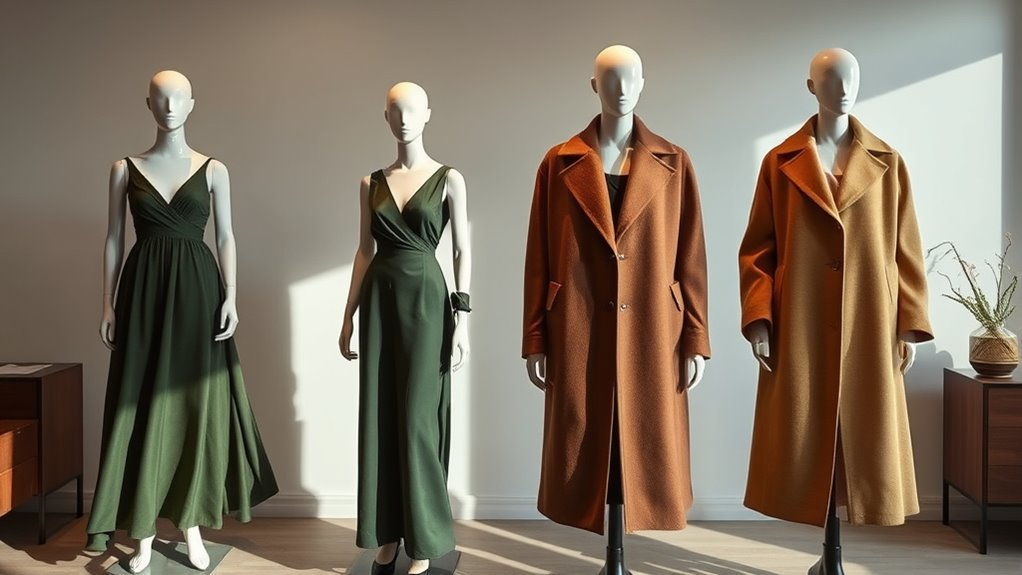
Wool and silk, once considered classic fabrics, now have vegan counterparts that are cruelty-free and environmentally responsible. For wool, you’ll find plant-based fibers like hemp, Tencel, or recycled polyester that mimic the warmth and texture of traditional wool but are produced without harming animals. These fibers are often sourced sustainably, with a focus on reducing water consumption and minimizing chemical use during manufacturing. Brands committed to ethical manufacturing work hard to ensure fair labor practices and transparency in their supply chains, so you can trust that your clothing isn’t just stylish but ethically produced too. Additionally, the development of innovative textile technologies continues to expand options for cruelty-free fabrics that match or surpass traditional materials in performance and durability.
When it comes to silk, many companies now offer alternatives such as peace silk (also called ahimsa silk), which is harvested without killing silkworms, or entirely synthetic options that replicate silk’s smooth, lustrous feel. These alternatives are created with sustainability in mind, often using recycled materials or low-impact dyes that lessen environmental impact. By choosing these options, you support a shift towards sustainable sourcing that prioritizes the planet’s health and animal welfare.
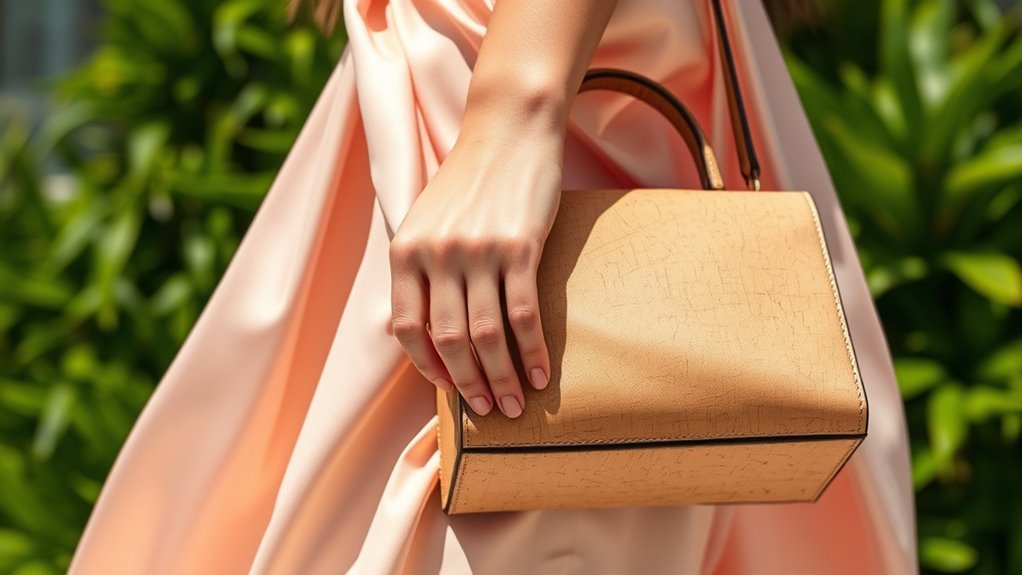
In addition to these plant-based and synthetic fabrics, innovations like mushroom leather, pineapple fiber (Piñatex), and cork fabric are gaining popularity. These materials are not only cruelty-free but also often produced through processes that emphasize sustainable sourcing and ethical manufacturing practices. When you opt for these materials, you’re contributing to a fashion industry that embraces eco-conscious innovation and reduces reliance on animal products.
Frequently Asked Questions
Are Wool and Silk Completely Vegan?
Wool and silk aren’t completely vegan because they involve animal products, which conflict with animal rights and ethical considerations. When you choose vegan fashion, you’re avoiding materials that harm animals, supporting more ethical choices. Wool comes from sheep, and silk is produced by silkworms, so both can raise concerns about animal suffering. Opting for plant-based or synthetic alternatives aligns better with a vegan lifestyle and ethical values.
How Do Wool and Silk Alternatives Compare in Durability?
Ever wondered if alternatives can match traditional fibers? When comparing durability, these substitutes often excel in fiber strength and wear resistance, making them surprisingly resilient. While some may question their longevity, many vegan fabrics like hemp and recycled fibers outperform wool and silk in daily wear. So, yes, these alternatives can be just as durable, if not more, ensuring your fashion choices last longer without sacrificing ethics.
Are Plant-Based Fabrics Breathable Like Traditional Wool and Silk?
Plant-based fabrics can be quite breathable, but it depends on the material and weave. Synthetic fibers often enhance breathability and moisture management, making them comparable to traditional wool and silk. You’ll find that some plant-based options, like hemp or Tencel, excel at moisture-wicking and airflow, keeping you comfortable. While not identical to natural fibers, these alternatives provide good breathability, especially when designed with proper fabric technology.
What Are the Environmental Impacts of Vegan Fabric Production?
Imagine a brand switching to plant-based fabrics like hemp or Tencel, reducing environmental harm. Vegan fabric production generally has a lower impact than traditional methods, but it still involves chemical use in manufacturing and requires sustainable farming practices. These factors influence water consumption, soil health, and pollution levels. By prioritizing eco-friendly processes, you can help minimize negative environmental impacts while enjoying stylish, cruelty-free fashion choices.
Can Vegan Fabrics Be as Luxurious as Their Animal-Derived Counterparts?
Yes, vegan fabrics can be just as luxurious as animal-derived ones. With ethical sourcing and innovative manufacturing, you’ll find vegan options that offer incredible softness, sheen, and durability. These fabrics provide fashion versatility, allowing you to enjoy stylish outfits without compromising your values. By choosing high-quality vegan textiles, you can embrace luxury while supporting sustainable practices, making your wardrobe both elegant and ethically responsible.
Conclusion
So, next time you’re eyeing that luxurious leather jacket or silk dress, remember there’s a vegan alternative just waiting to steal the spotlight—and maybe save some animals while you’re at it. Who needs leather when wool and silk alternatives exist? Go ahead, embrace the future of fashion where you can look fabulous without turning a blind eye to ethics. After all, who knew that saving the planet could look this stylish?