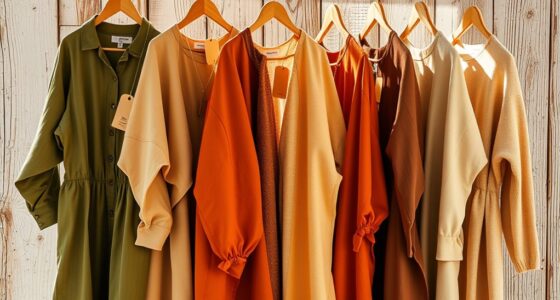
To keep your clothes looking their best longer, focus on gentle laundry habits that preserve fabric quality. Use cold water whenever possible to prevent fading, shrinking, and reduce energy use, while hot water can be reserved for disinfecting. Skip harsh chemical fabric softeners and opt for natural alternatives like white vinegar to protect skin and the environment. Choosing the right cycle and caring properly can make a real difference, and you’ll discover more tips if you continue exploring.
Key Takeaways
- Use cold or warm water settings to reduce fabric wear and preserve color, extending your garments’ lifespan.
- Avoid chemical fabric softeners; opt for natural alternatives like white vinegar to maintain fabric integrity and skin health.
- Select appropriate wash cycles tailored to fabric type to prevent unnecessary stress and damage to clothing.
- Wash dark and delicate fabrics in cold water to prevent fading, pilling, and shrinking, promoting longevity.
- Practice sustainable laundry habits by combining eco-friendly detergents, proper water temperature, and cycle choices to minimize environmental impact.

Many experts believe that your laundry habits can influence your overall health and longevity. The way you care for your clothes, including choices about fabric softeners and water temperature, plays a significant role not only in extending the life of your garments but also in promoting your well-being. Using fabric softeners might seem like a simple way to make your clothes feel softer and smell fresher, but it’s important to be mindful of the ingredients. Many fabric softeners contain chemicals that can irritate sensitive skin or cause allergic reactions. Additionally, some softeners leave residues that can build up in your clothes over time, diminishing their fabric integrity and potentially harboring bacteria. Instead, you might opt for natural alternatives like white vinegar or use less softener overall. This approach helps maintain your clothing’s natural fibers, which is better for your skin and the environment.
Water temperature is another vital factor in maintaining longevity and health. Washing clothes in hot water can effectively kill germs and remove stubborn stains, but it also accelerates fabric wear and tear. High temperatures can cause fibers to weaken, fade colors, and shrink garments, shortening their lifespan. Conversely, washing in cold or warm water reduces stress on fabrics, helping clothes stay looking newer longer. Cold water is especially beneficial for delicate fabrics and dark colors, preventing fading and pilling. It also conserves energy, making your laundry routine more sustainable. If you’re concerned about germs, you can combine cold washes with eco-friendly disinfectants or use laundry cycles with added sanitization features. Choosing the right water temperature based on the fabric type and stain level not only prolongs your clothes’ life but also reduces your environmental footprint. Additionally, selecting appropriate washing cycles can further enhance garment longevity and performance.

ECOS Laundry Detergent Liquid, 200 Loads – Dermatologist Tested Laundry Soap – Hypoallergenic, EPA Safer Choice Certified, Plant-Powered – Lavender, 100 Fl Oz (Pack of 2)
CLIMATE POSITIVE AND SUSTAINABLE – Not only is this laundry detergent formula effective and kind to sensitive skin,…
As an affiliate, we earn on qualifying purchases.
As an affiliate, we earn on qualifying purchases.
Frequently Asked Questions
How Can I Identify Eco-Friendly Laundry Detergents?
You can identify eco-friendly laundry detergents by looking for products with biodegradable formulas and plant-based ingredients. Check the label for certifications like EPA Safer Choice or EcoLabel, which indicate environmentally friendly practices. Avoid those with harsh chemicals or phosphates. By choosing detergents that prioritize biodegradable formulas and plant-based ingredients, you’re making a sustainable choice that benefits both your clothes and the planet.
What Are the Best Drying Methods to Extend Clothing Life?
Oh, surely you want your clothes to turn to shreds faster, right? Actually, air drying benefits your wardrobe by reducing wear and tear, especially on quick dry fabrics. Hang your clothes in a well-ventilated space, avoid direct sunlight, and skip the dryer’s harsh heat. This gentle method prolongs clothing life, saves energy, and keeps your wardrobe looking fresh longer. Who knew sustainability could be this simple?
How Often Should I Wash Clothes to Prevent Wear?
You should wash your clothes only when necessary to prevent unnecessary wear and tear. Generally, washing frequency depends on the garment type—underwear and workout clothes may need weekly cleaning, while jeans and sweaters can last longer between washes. By following this approach, you promote garment preservation, reduce fabric stress, and extend your clothing’s lifespan, making your wardrobe more sustainable and eco-friendly over time.
Are Fabric Softeners Harmful to Clothing Longevity?
Fabric softener effects can harm your clothing’s longevity by causing fiber damage over time. Softeners often contain chemicals that weaken fibers, making clothes more prone to wear and tear. If you want to preserve your garments, consider skipping softeners or using natural alternatives like vinegar. This way, you’ll help maintain fabric strength and extend the life of your clothes, saving you money and reducing waste in the long run.
How Does Water Temperature Impact Garment Durability?
Water temperature markedly impacts garment durability by affecting fabric fiber sensitivity. Hot water can weaken fibers, causing colors to fade and fabrics to shrink or wear out faster. Cold water, on the other hand, minimizes these effects, helping clothes last longer. To preserve your garments, always choose the appropriate water temperature based on fabric type, and avoid unnecessary hot washes, which accelerate fiber deterioration and reduce clothing lifespan.
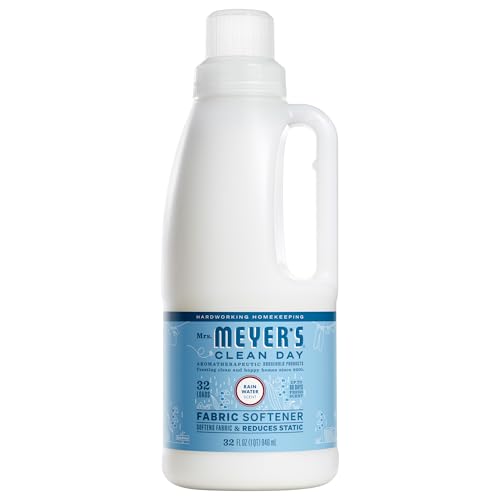
MRS. MEYER'S CLEAN DAY Liquid Fabric Softener, Infused with Essential Oils, Paraben Free, Rain Water Scent, 32 oz (32 Loads)
Liquid fabric softener adds freshness while reducing static from clothes
As an affiliate, we earn on qualifying purchases.
As an affiliate, we earn on qualifying purchases.
Conclusion
By caring for your clothes thoughtfully, you not only make them last longer but also contribute to a healthier planet. It’s funny how a simple act—like washing with care—can create such a big impact. When you choose sustainability, you’re part of a bigger story, one where every small step adds up. So next time you do laundry, remember: your mindful habits can turn everyday chores into a powerful act of longevity and love for the Earth.

Biokleen Natural Cold Water Laundry Detergent – 128 Loads – Liquid, Concentrated, Eco-Friendly, Non-Toxic, Plant-Based, No Artificial Fragrance or Preservatives
Citrus Essence
As an affiliate, we earn on qualifying purchases.
As an affiliate, we earn on qualifying purchases.

Skin Longevity Secrets Unveiled: Discover How Anyone Can Achieve Timeless Beauty, Radiant Skin, and Reduce Wrinkles and Fine Lines Without Surgery
As an affiliate, we earn on qualifying purchases.
As an affiliate, we earn on qualifying purchases.