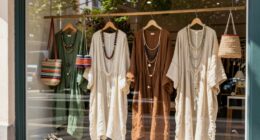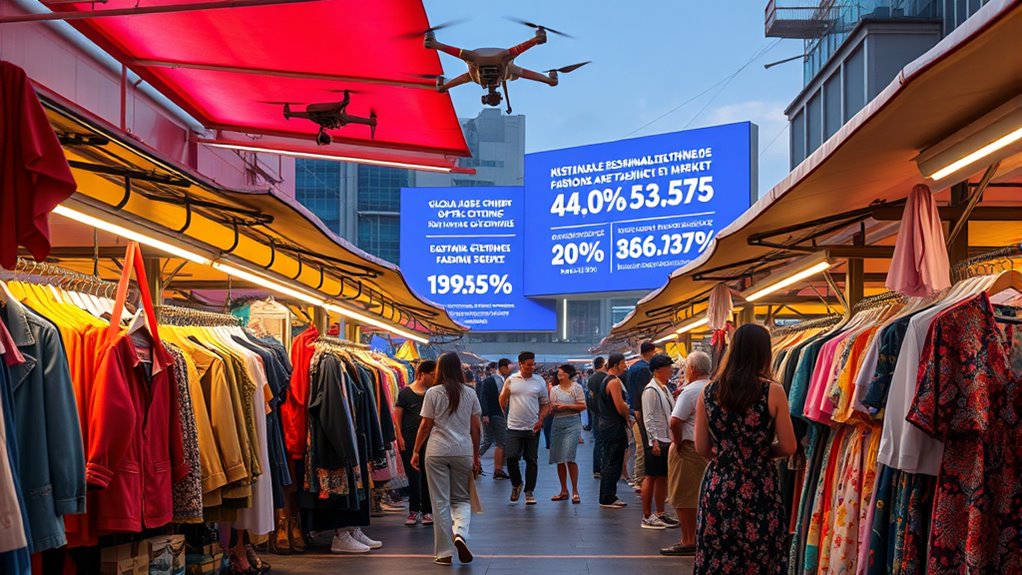

In 2025, your choices in secondhand clothing considerably impact global sustainability, ethics, and industry growth. As the market expands, more stores and platforms prioritize eco-friendly materials, transparent sourcing, and fair labor practices. Responsible consumption helps reduce waste and carbon footprints, shaping a more sustainable fashion future. If you want to understand how these changes influence your style and the planet, you’ll find valuable insights ahead.
Key Takeaways
- The secondhand clothing trade boosts sustainability by reducing waste and promoting circular fashion in 2025.
- Increased regulation and certifications enhance transparency and ethical sourcing in global secondhand markets.
- Consumer demand for sustainable options drives industry shifts towards eco-friendly practices and higher standards.
- The growth of secondhand platforms fosters responsible consumption and influences brands to adopt ethical sourcing.
- Cultural shifts toward unique, sustainable fashion integrate secondhand shopping into mainstream style and environmental efforts.

The secondhand clothing trade has become a hot topic as more people embrace sustainable fashion and affordable shopping options. As you dive in this growing market, you notice how it offers more than just savings; it’s a way to reduce waste and lessen environmental impact. Many buyers are now seeking out stores and platforms that prioritize sustainable practices, ensuring that each piece of clothing you buy has a reduced carbon footprint. This shift isn’t just about personal style—it’s about making conscious choices that support a healthier planet. You realize that ethical sourcing plays an essential role here, as responsible suppliers often guarantee that garments are produced under fair labor conditions and with minimal environmental harm. When you choose secondhand, you’re not only extending the life of clothing but also supporting brands and vendors committed to transparency and ethical standards.
By participating in this trade, you’re contributing to a circular economy where clothing isn’t discarded after a single use but reused and recycled. This approach encourages brands and resellers to adopt sustainable practices, like eco-friendly dyeing techniques or using recycled materials in their inventory. You begin to appreciate how these efforts influence the entire supply chain, fostering a culture of accountability. It’s not just about what you buy but understanding that behind every secondhand item is a story of ethical sourcing and sustainable production. As awareness grows, many secondhand platforms now emphasize transparency, giving you detailed information about where and how items were sourced. This transparency helps you make more informed decisions aligned with your values. Additionally, recognizing the importance of preppy dog names can inspire a sense of style and personality that complements your conscious choices.
In 2025, the secondhand clothing market continues to evolve, with increased regulation and standards around sustainable practices. You see more brands and stores adopting certifications that verify ethical sourcing, which reassures you about the integrity of your purchases. This trend pushes the industry toward higher standards, ensuring that both environmental and social concerns are addressed. You’re empowered by knowing that your buying choices can influence larger systemic changes—encouraging brands to prioritize sustainability and ethical sourcing from the ground up. The growth of this market also means more innovative ways to shop sustainably, whether through vintage shops, online resale platforms, or community swaps that focus on responsible consumption. Ultimately, your participation in the secondhand trade isn’t just a personal choice; it’s part of a larger movement pushing the fashion industry toward a more sustainable and ethically responsible future.
Top picks for "secondhand cloth trade"
Open Amazon search results for this keyword.
As an affiliate, we earn on qualifying purchases.
Frequently Asked Questions
How Will Technology Influence Secondhand Clothing Trade Sustainability?
Technology will notably boost secondhand clothing trade sustainability by enabling digital tracking, which helps monitor garment lifecycles and promotes responsible reuse. AI sorting speeds up the process, ensuring better quality and reducing waste. With these tools, you can confidently buy and sell secondhand items, knowing they’re sustainably managed. Embracing digital tracking and AI sorting makes the trade more efficient, transparent, and eco-friendly, helping you contribute to a greener future.
What Policies Could Governments Implement to Regulate Secondhand Clothing Markets?
Policymakers should implement strict standards and sensible strategies to safeguard sustainability in secondhand clothing markets. You could introduce import regulations that limit over-exports, ensuring fair trade. Imposing import tariffs can discourage excessive imports, protecting local industries and reducing waste. By balancing borders and building better policies, governments can better regulate secondhand markets, ensuring ethical practices and environmental responsibility, all while fostering fair and functional fashion futures.
How Does Consumer Behavior Shift Impact Secondhand Clothing Industry Growth?
Your shift towards sustainable choices greatly impacts the secondhand clothing industry’s growth. As you become more aware of fast fashion’s environmental toll, you’re likely to seek ethical sourcing and buy secondhand instead of supporting fast fashion brands. This change in consumer behavior encourages more people to explore pre-owned clothing, boosting the industry’s expansion. Your conscious shopping habits can foster a more sustainable fashion landscape, reducing waste and promoting ethical sourcing practices.
What Are the Environmental Benefits of the Secondhand Clothing Trade?
Oh, the environmental benefits? Well, by shopping secondhand, you actually help reduce textile waste and conserve resources—imagine that! Instead of piling up in landfills, clothes find new life, cutting down on pollution and resource extraction. You get to be eco-friendly without sacrificing style. So, next time you buy secondhand, you’re not just saving money; you’re giving the planet a gust of fresh air, one outfit at a time.
How Will Developing Countries Benefit Economically From Expanded Secondhand Markets?
You’ll see developing countries benefit economically as expanded secondhand markets boost local entrepreneurship and diversify markets. More opportunities for small businesses emerge, creating jobs and increasing income. This growth encourages innovation and skills development, strengthening local economies. As the secondhand clothing trade expands, it provides a sustainable income source, empowers entrepreneurs, and promotes market diversification, ultimately fostering economic resilience and growth within these communities.
Conclusion
So, by 2025, the secondhand clothing trade could completely transform our planet’s fashion future, saving billions of gallons of water and halting climate chaos—imagine that! You might find yourself wearing a vintage jacket that’s actually fighting climate change. It’s not just shopping; it’s a revolution. This trade isn’t just changing wardrobes; it’s rewriting the story of our planet. Get ready, because secondhand isn’t just trendy—it’s the key to our survival!