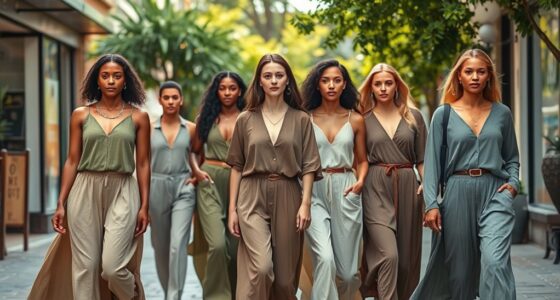
Low-impact dyes mean you get vibrant, durable textiles that are better for the environment. They reduce water and energy use during manufacturing, cut down on chemical waste, and promote sustainable practices. Your garments will stay bright longer, resist fading, and last through many washes. This shift encourages greener production methods and safer workplaces. If you want to discover how these dyes are shaping the future of fashion and sustainability, keep exploring what’s possible.
Key Takeaways
- Low-impact dyes reduce water, energy, and chemical use in textile manufacturing, promoting sustainability.
- They enhance fabric durability and colorfastness, leading to longer-lasting garments.
- Adoption of these dyes encourages greener industry practices and reduces environmental pollution.
- They enable eco-conscious consumers to choose stylish, sustainable, and long-lasting clothing.
- Ongoing innovation in low-impact dyes supports safer, healthier, and more sustainable textile production.
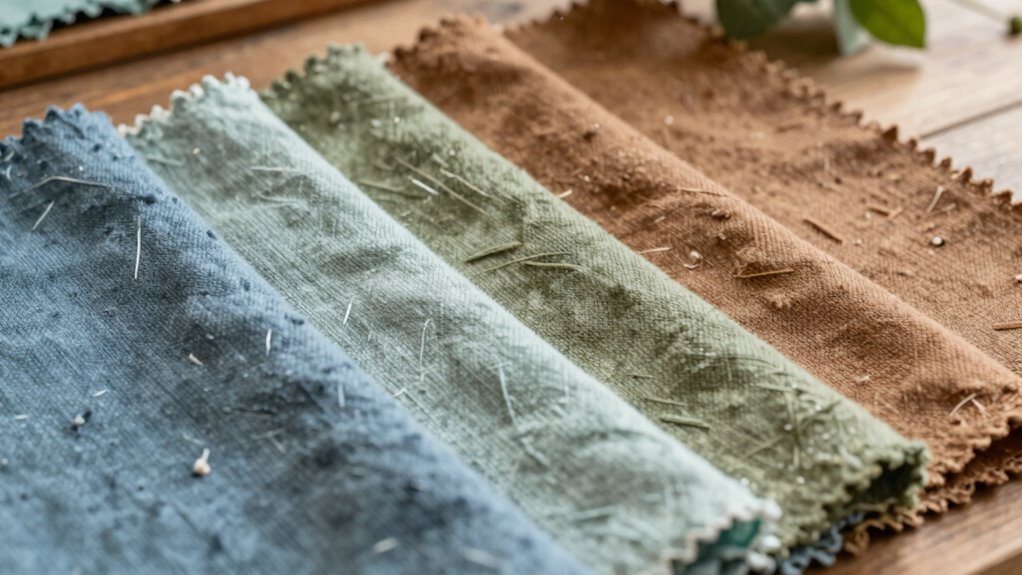
Have you ever wondered how modern textiles can be both vibrant and environmentally friendly? The answer lies in the innovative use of low-impact dyes, which are transforming the way fabrics are produced and worn. These dyes enable eco friendly manufacturing, reducing the environmental footprint of textile production without sacrificing color intensity or durability. When you choose garments made with low-impact dyes, you’re supporting a process that minimizes water usage, decreases chemical waste, and lowers energy consumption. This shift toward sustainable dyeing methods is essential because traditional dyeing techniques often involve toxic chemicals and large amounts of water, contributing to pollution and resource depletion. Instead, low-impact dyes are formulated to be more environmentally benign, making the entire manufacturing process more sustainable and aligned with eco-conscious values.
One of the key benefits of low-impact dyes is their ability to improve colorfastness. This means your clothing retains its vibrant color through multiple washes and wears, reducing the need for re-dyeing or disposal due to fading. When textiles are dyed with these environmentally friendly options, manufacturers often incorporate advanced techniques that enhance dye penetration and bonding with fibers, resulting in longer-lasting color. As a consumer, this means you get garments that stay bright and beautiful over time, without the added concern of color bleeding or fading. The improved colorfastness also contributes to less fabric waste, since clothes last longer and maintain their appearance, supporting a more sustainable fashion cycle. Additionally, the use of low-impact dyes can promote sustainable textile practices, encouraging industry-wide shifts toward greener production methods. Incorporating these dyes into manufacturing can also lead to less chemical runoff, further reducing environmental impact. This innovative approach not only benefits the environment but also promotes industry-wide adoption of safer and more responsible dyeing processes.
Moreover, as these dyes become more prevalent, they can inspire innovation in eco-friendly dyeing techniques, which continue to evolve and improve their environmental benefits. Furthermore, low-impact dyes often come with benefits beyond environmental considerations. They tend to be easier to work with during manufacturing, often requiring less water and fewer harmful chemicals. This not only makes the process safer for workers but also reduces the overall ecological impact. For you, this means wearing clothing that’s made with a focus on health and safety, since fewer toxic substances are involved in the production. As the industry continues to adopt these dyes, you’ll find more options that combine style, durability, and ecological responsibility. Low-impact dyes are proving that fashion and sustainability can go hand in hand, helping you make more mindful choices without compromising on the look or quality of your wardrobe.
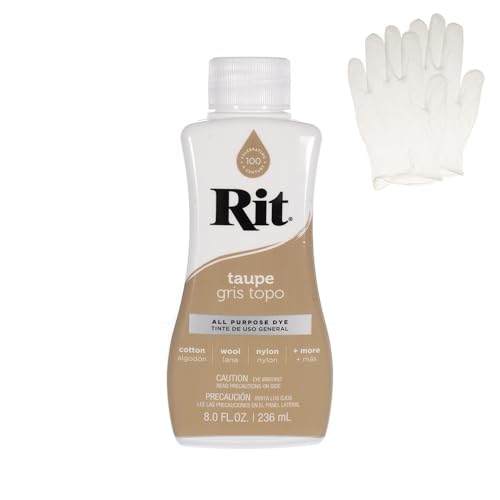
Rit Dye – Liquid Fabric Dye for Crafting, Clothing, and Décor – 8 oz. Bottle – Taupe (Gloves Included)
Easy to Use – The process is super easy to follow. Simply add dye to hot water with…
As an affiliate, we earn on qualifying purchases.
As an affiliate, we earn on qualifying purchases.
Frequently Asked Questions
How Do Low-Impact Dyes Compare Cost-Wise to Traditional Dyes?
Low-impact dyes can be more cost-efficient over time because they often require less water and energy, reducing operational costs. Although initial expenses might be higher, their eco-friendly nature appeals to conscious consumers, boosting market adoption. As demand grows, economies of scale could lower prices further. Overall, these dyes may offer a competitive edge by combining sustainability with cost savings, making them a smart choice for modern textile producers.
Are Low-Impact Dyes Suitable for All Types of Fabrics?
Low-impact dyes aren’t suitable for all fabrics. You need to take into account fabric compatibility because some materials, like polyester, may not absorb these dyes well, leading to dull or uneven colors. Natural fibers such as cotton, wool, and silk generally dye better with low-impact dyes, guaranteeing vibrant, long-lasting results. Always check dye absorption and fabric type before choosing low-impact dyes to ensure the best color quality and sustainability.
What Are the Environmental Benefits of Using Low-Impact Dyes?
Think of low-impact dyes as the gentle rain nurturing a thriving garden. They bring eco-friendly manufacturing by reducing harmful chemicals and energy use. Using these dyes helps conserve water, much like a careful gardener saves every drop. This approach minimizes pollution, protects ecosystems, and lowers your carbon footprint. By choosing low-impact dyes, you support sustainable fashion that cares for our planet, ensuring beautiful textiles without the environmental cost.
Do Low-Impact Dyes Affect the Durability of Textiles?
Low-impact dyes generally don’t harm fiber longevity or colorfastness stability, so your textiles stay durable and vibrant over time. Since these dyes are designed to bond effectively with fibers, they resist fading and washing out, ensuring your fabrics maintain their quality longer. You can confidently enjoy textiles that look new for years, knowing that low-impact dyes support both environmental sustainability and the longevity of your favorite garments.
How Widely Adopted Are Low-Impact Dyes in the Fashion Industry?
You’ll find that low-impact dyes are increasingly adopted in the fashion industry, driven by a focus on fashion sustainability and dye innovation. Many brands now prioritize eco-friendly options, making low-impact dyes more common in their production processes. While adoption isn’t universal yet, the trend is clear—more designers and manufacturers are recognizing the importance of reducing environmental impact, leading to broader use of these sustainable dyeing methods in modern textiles.

Natural Yarn Dyes: 25 vibrant and sustainable recipes
As an affiliate, we earn on qualifying purchases.
As an affiliate, we earn on qualifying purchases.
Conclusion
Switching to low-impact dyes isn’t just good for the planet—it’s a smart choice for your wardrobe too. Imagine a vibrant shirt that’s eco-friendly and safe to wear, without harming water supplies or wildlife. Some might think it’s too expensive or limited in color, but as you see more brands adopt these dyes, you’ll find options that match your style and values. Embrace these dyes, and you’re helping create a cleaner, greener future—one garment at a time.
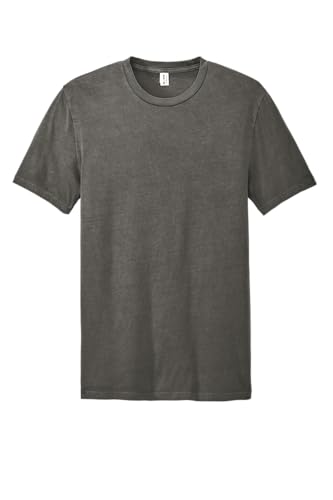
Allmade Limited Edition Unisex Mineral Dye Organic Cotton Tee
ORGANIC COTTON COMFORT. Feel good in every way with our crew neck tee for men and women. Made…
As an affiliate, we earn on qualifying purchases.
As an affiliate, we earn on qualifying purchases.

Tulip Re-Dark Denim Fabric Dye Kit, Easy Process to Upcycle Faded Jeans, Sustainable Fashion Kit, 3 pc
Includes 12.35 oz (350g) Re-Dark Denim Fabric Dye, 1 pair of protective gloves, and instructions sheet
As an affiliate, we earn on qualifying purchases.
As an affiliate, we earn on qualifying purchases.