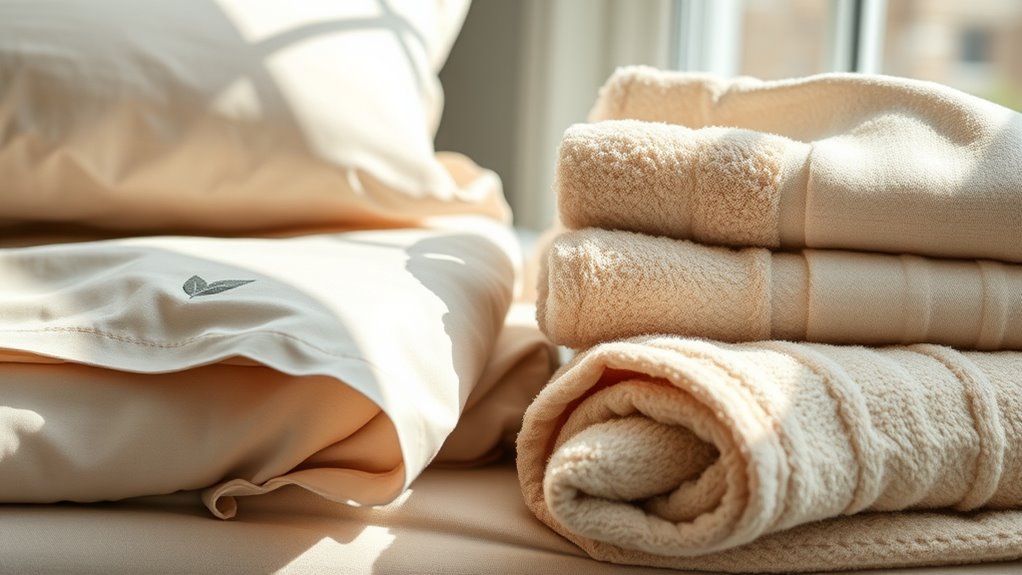

Eco-friendly bedding and bath products made from sustainable textiles allow you to enjoy comfort while reducing your environmental footprint. These materials often come from biodegradable fibers like organic cotton, hemp, or Tencel, which break down naturally and lessen waste. Recycled fabrics from post-consumer waste help save resources and cut pollution. Advances in technology guarantee these products meet high standards of quality and durability. If you want to explore how these choices benefit your space and the planet, you’ll find more details below.
Key Takeaways
- Eco-friendly bedding and bath products utilize recycled fabrics like PET bottles and post-consumer textiles to reduce waste and resource consumption.
- Biodegradable fibers such as organic cotton, hemp, and Tencel decompose naturally, minimizing environmental impact after disposal.
- Advanced manufacturing techniques ensure eco-friendly textiles are durable, soft, and easy to care for, matching conventional quality standards.
- Using sustainable textiles supports resource conservation, reduces pollution, and promotes eco-conscious choices in home environments.
- Transparent sourcing and eco-friendly dyeing processes enhance consumer trust and promote sustainable practices beyond the fashion industry.

Have you ever wondered how your clothing choices impact the environment? The good news is, sustainable textiles are expanding beyond just fashion to include eco-friendly bedding and bath products. By choosing items made from biodegradable fibers and recycled fabrics, you can considerably reduce your ecological footprint. These materials are designed to break down naturally once disposed of, preventing harmful waste from lingering in landfills or polluting ecosystems. Biodegradable fibers, such as organic cotton, hemp, or Tencel, are cultivated without synthetic chemicals, making them safer for the environment and better for your health. They decompose much faster than conventional fibers, ensuring less waste accumulates over time. Recycled fabrics, on the other hand, are crafted from post-consumer textiles or plastic waste like PET bottles. This process not only diverts waste from landfills but also reduces the demand for virgin resources, conserving water, energy, and raw materials during production.
Choosing biodegradable fibers and recycled fabrics helps reduce waste and conserve resources naturally.
When you opt for eco-friendly bedding, you’re supporting a cycle that minimizes environmental harm. For example, sheets made from recycled cotton or polyester reclaimed from plastic bottles help cut down on resource extraction and manufacturing emissions. These fabrics often retain durability and softness, making them practical choices for daily comfort. Similarly, bath towels and robes crafted from recycled fabrics or biodegradable fibers offer the same luxurious feel without the environmental guilt. Many brands now produce these products with sustainable dyes and eco-conscious manufacturing processes, further reducing their ecological impact.
Switching to sustainable textiles for your bedding and bath doesn’t mean sacrificing quality or comfort. Advances in technology have made it possible to create eco-friendly products that are just as plush, durable, and easy to care for as conventional options. Plus, many companies now prioritize transparency, allowing you to trace the origin of your textiles and ensure they meet strict environmental standards. By choosing biodegradable fibers and recycled fabrics, you’re not just investing in your comfort but also actively participating in a movement toward a healthier planet. Every purchase becomes a statement that sustainability matters, encouraging manufacturers to prioritize eco-conscious production methods.
In the end, integrating sustainable textiles into your home can make a tangible difference. It’s about making smarter choices that align with your values and contribute to reducing pollution and waste. For example, the use of recycled fabrics in bedding and bath products supports the reduction of plastic waste and the conservation of raw resources. So next time you shop for bedding or bath products, look for those made from biodegradable fibers and recycled fabrics. Your decisions matter—both for your comfort and for the well-being of our planet.

Sckee Camping Toilet, Portable Toilet for Adults, Portable Travel Folding Toilet with Lid and Paper Holder, Compact Potty for Car, Camp Toilet Portable Toilet for Camping, Hiking,Truck, RV, Beach
🏕️ Heavy-Duty ABS Construction for Rugged Adventures: Made of durable ABS plastic material, this toilet supports up to...
As an affiliate, we earn on qualifying purchases.
Frequently Asked Questions
How Long Do Eco-Friendly Bedding Materials Typically Last?
Eco-friendly bedding materials usually last between 5 to 10 years, depending on their durability testing and how well you care for them. Natural fibers like organic cotton or linen tend to have a longer material lifespan if washed gently and stored properly. Synthetic eco-friendly options may wear out sooner but still offer good durability. Regular maintenance and choosing high-quality, sustainably made fabrics help extend their longevity.
Are Sustainable Textiles More Affordable Than Conventional Options?
Think of eco-friendly bedding as planting seeds for future savings. While sustainable textiles often have higher manufacturing costs, their long-term durability can balance out the initial expense. Generally, they’re more affordable than you might expect when considering their lifespan and environmental benefits. The cost comparison varies, but as demand grows, production costs decrease, making eco-friendly options increasingly accessible and budget-friendly for your home.
Can Eco-Friendly Bath Linens Resist Common Stains and Odors?
Eco-friendly bath linens can resist common stains and odors thanks to advanced materials and treatments. Look for linens with stain resistance and odor control features, which help keep your towels fresh longer. While some eco-friendly options may require gentle care, many are designed to maintain their effectiveness without harsh chemicals. With proper washing, these linens can stay looking and smelling great, offering sustainable benefits alongside practical stain and odor resistance.
What Certifications Should I Look for in Sustainable Bedding?
Think of your bedding as a sanctuary, and you want it to be certified pure. Look for organic certifications like GOTS or OEKO-TEX Standard 100, which guarantee eco-friendly standards. These eco label standards act as a trusted lighthouse, guiding you through the sea of options. They verify that your bedding is free from harmful chemicals, sustainable, and ethically produced, so you can sleep soundly knowing you’ve made a conscious choice.
How Do Sustainable Textiles Impact Indoor Air Quality?
Sustainable textiles improve indoor air quality by reducing airborne fiber particles and chemical emissions, making your environment healthier. When you choose eco-friendly bedding and bath products, you minimize the release of harmful substances that can irritate your lungs or cause allergies. These textiles are often made with natural, non-toxic dyes and processes, ensuring cleaner air inside your home. This way, you create a safer, more comfortable space for you and your loved ones.

BOXIO TOILET PLUS: Starter-Set - Portable solution for car trips, boats, hunting or outdoor adventures. Europe's most-selling composting toilet. Compact size: 15.75" x 11.8" x 11"
Starter-Set: BOXIO TOILET, the PLUG odor seal, 2x hemp litter and 2x compostable waste bags (BAGS)
As an affiliate, we earn on qualifying purchases.
Conclusion
By choosing eco-friendly bedding and bath products, you’re making a real difference. Did you know that the textile industry accounts for 10% of global greenhouse gas emissions? Switching to sustainable options reduces your carbon footprint and supports ethical practices. Every small change counts—whether it’s opting for organic cotton or plant-based dyes. So, next time you shop, remember your choices can help protect the planet, one eco-friendly textile at a time.
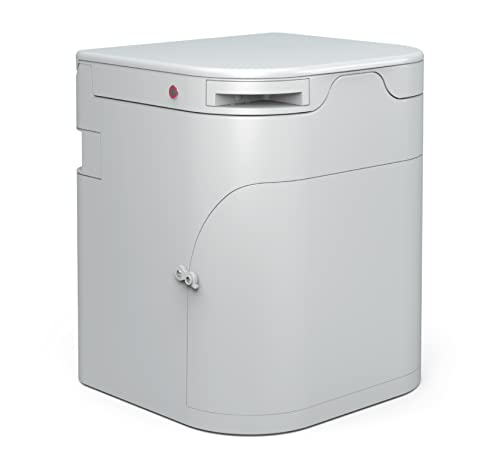
OGO Origin Composting Toilet – 12V Electric Agitator, Urine Diverting RV Toilet for Van Life, Tiny Home & Boat – 15" Compact, Odorless Off-Grid Toilet, No Black Tank
SMALLEST FOOTPRINT FOR TIGHT BUILDS (15"x16") Designed for Sprinter/Transit vans, tiny homes & boats where space is everything....
As an affiliate, we earn on qualifying purchases.

Nature's Head® Self Contained Composting Toilet with Foot-Spider Handle
Item Category: Toilet Seat
As an affiliate, we earn on qualifying purchases.