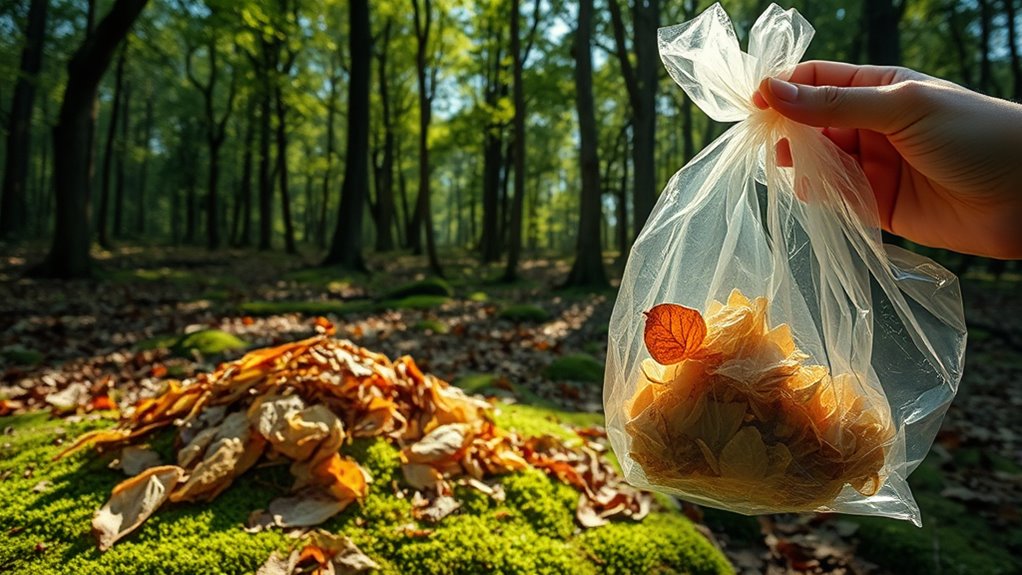

Biodegradable plastics might seem like a perfect eco-solution, but their success depends heavily on proper disposal and understanding their limits. If you throw them in regular landfills or oceans, they often don’t break down faster than traditional plastics. Proper composting and disposal are essential, but many consumers lack this knowledge. To truly grasp whether biodegradable plastics work, consider how they’re managed and what misconceptions might be out there—continue exploring to discover the full story.

Prime made for students and young adults
- Fast, free delivery for dorm and study essentials
- Prime Video and Amazon Music included
- Member-only deals
Key Takeaways
- Biodegradable plastics often require industrial composting conditions to fully degrade, which are not always accessible.
- Misunderstanding disposal methods can cause biodegradable plastics to persist in landfills or oceans, similar to traditional plastics.
- Effectiveness of biodegradable plastics depends heavily on proper disposal, infrastructure, and consumer awareness.
- Many biodegradable plastics are marketed as a complete solution, but their environmental benefits are limited without proper waste management.
- Education and improved waste sorting are essential to ensure biodegradable plastics contribute positively to pollution reduction efforts.
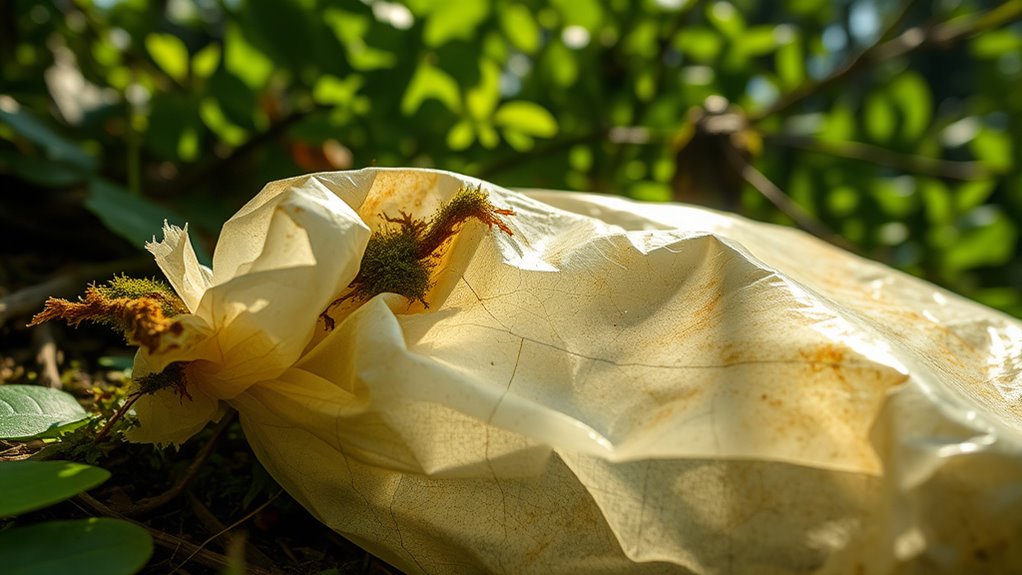
Have you ever wondered what happens to plastic waste after it’s discarded? Many of us toss plastics into recycling bins without considering the journey they undertake. Recycling challenges are a significant hurdle in managing plastic waste effectively. Not all plastics are recyclable, and even when they are, contamination, sorting errors, and limited facilities can prevent plastics from being properly processed. These issues mean that a large portion of plastic waste ends up in landfills or oceans, regardless of the intentions behind recycling. Consumer awareness plays a vital role here; many people aren’t fully informed about what can be recycled or how to do it correctly. This lack of understanding leads to contamination of recyclable materials and diminishes the efficiency of recycling systems. As a result, even with good intentions, many plastics don’t get a second life and instead contribute to environmental pollution.
When it comes to biodegradable plastics, these challenges become even more complex. People often assume that biodegradable plastics are a straightforward solution to plastic pollution, but that’s not entirely true. These plastics require specific conditions to break down — usually industrial composting facilities, which aren’t available everywhere. If biodegradable plastics end up in regular landfills or the ocean, they may not degrade any faster than conventional plastics. In some cases, they may persist just as long, creating a false sense of environmental relief. Consumer awareness is essential here; many users don’t understand the proper disposal methods for biodegradable plastics, which diminishes their potential benefits. Without clear labeling and education, biodegradable plastics can be mistakenly mixed with traditional plastics, reducing the efficiency of recycling processes and sometimes causing contamination.
Moreover, some manufacturers market biodegradable plastics as a perfect eco-solution, fueling misconceptions. Consumers might think that simply using biodegradable plastics will solve the global plastic crisis, but that’s overly optimistic. The effectiveness of these materials depends on proper disposal, infrastructure, and understanding. Without increased consumer awareness about these nuances, biodegradable plastics risk becoming a marketing gimmick rather than a genuine environmental solution. To truly benefit from biodegradable plastics, awareness campaigns need to inform people about their proper use, disposal, and limitations. Only then can these materials serve as a complementary part of broader waste management strategies, rather than a magic fix that absolves us from reducing plastic consumption altogether. Additionally, understanding the importance of recycling systems and their limitations is crucial for making informed decisions about waste disposal.
As an affiliate, we earn on qualifying purchases.
Frequently Asked Questions
How Long Does It Actually Take for Biodegradable Plastics to Decompose?
You might wonder about the decomposition timeline of biodegradable plastics. It varies depending on environmental conditions—warmer, moist environments speed up breakdown, while colder or dry settings slow it down. Typically, biodegradable plastics take anywhere from a few months to several years to decompose fully. Keep in mind, conditions like oxygen levels and microbial activity greatly influence how quickly they break down, so timelines can differ widely.
Are Biodegradable Plastics Safe for Marine Life and Ecosystems?
Like a gentle wave, biodegradable plastics aim to blend into marine ecosystems. You should know that they can reduce marine debris, but their safety isn’t guaranteed. Some degrade too slowly or release harmful substances, impacting ecosystems. While they’re designed to be safer, their effects on marine life and ecosystems vary, so it’s essential to contemplate their composition and how they break down to truly understand their safety in aquatic environments.
Can Biodegradable Plastics Be Recycled Alongside Traditional Plastics?
You might wonder if biodegradable plastics can be recycled with traditional plastics. Generally, they aren’t compatible in the same recycling stream because their recycling compatibility varies, risking contamination. To properly process biodegradable plastics, waste stream separation is essential. Keep biodegradable plastics separate from regular plastics to guarantee effective recycling and minimize environmental impact. This way, you help improve waste management and support sustainable practices.
What Are the Environmental Impacts of Producing Biodegradable Plastics?
Production produces pollution, and biodegradable plastics aren’t exempt. You’ll find that their manufacturing involves significant resource consumption and high production emissions, which can harm ecosystems. While biodegradable plastics promise a cleaner future, their creation often still relies on fossil fuels and energy-intensive processes. You should consider these environmental impacts, understanding that reducing overall resource use and emissions in production is essential for truly sustainable solutions.
Do Biodegradable Plastics Release Harmful Chemicals During Degradation?
When biodegradable plastics break down, they can sometimes release harmful chemicals, raising toxicity concerns. You should know that chemical leaching can occur, especially if the plastics contain additives or specific biopolymers. While many are designed to degrade safely, it’s crucial to recognize that some may still pose environmental risks during degradation. Always check product labels and research their composition to minimize potential chemical leaching and toxicity concerns.
biodegradable plastic disposal bags
As an affiliate, we earn on qualifying purchases.
As an affiliate, we earn on qualifying purchases.
Conclusion
While biodegradable plastics seem like a eco-friendly solution, only about 30% actually fully decompose within a year, leaving some doubts. You might think they’re a miracle fix, but the reality is more complex. To truly make a difference, you need to understand their limitations and use them responsibly. So, don’t rely on biodegradable plastics alone—combine them with reducing waste and recycling efforts for a real environmental impact.
As an affiliate, we earn on qualifying purchases.
compostable plastics for home composting
As an affiliate, we earn on qualifying purchases.
As an affiliate, we earn on qualifying purchases.
Fall Picks
fall essentials
As an affiliate, we earn on qualifying purchases.