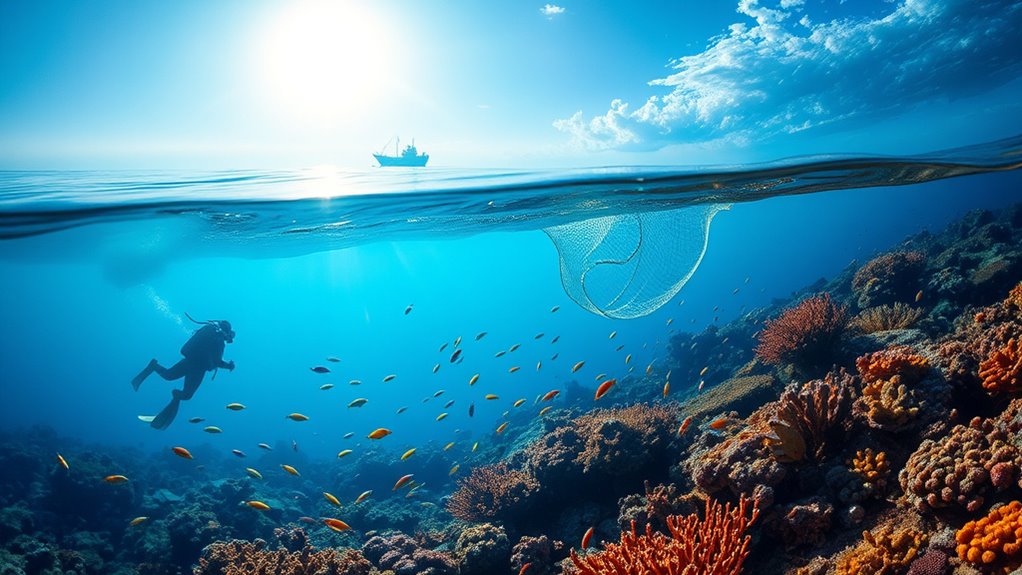

To protect our oceans beyond plastic, you should focus on reducing noise pollution from ships and activities that disrupt marine life. Overfishing threatens fish populations and damages ecosystems, so support sustainable fishing practices and marine protected areas. Restoring natural barriers like mangroves and reefs helps prevent coastal erosion. By choosing quieter technologies and responsible seafood, you can make a difference. Stay with us to discover how individual actions and policies can truly turn the tide for ocean health.
Key Takeaways
- Noise pollution from ships and industrial activities disrupts marine animals’ communication, navigation, and mating behaviors.
- Overfishing depletes fish stocks, damages ecosystems, and threatens food security beyond plastic pollution concerns.
- Implementing quieter ship technologies reduces underwater noise and minimizes stress on marine species.
- Establishing marine protected areas and sustainable fishing practices helps conserve biodiversity and ecosystem health.
- Public awareness and policy support are vital for addressing noise and overfishing, ensuring long-term ocean sustainability.
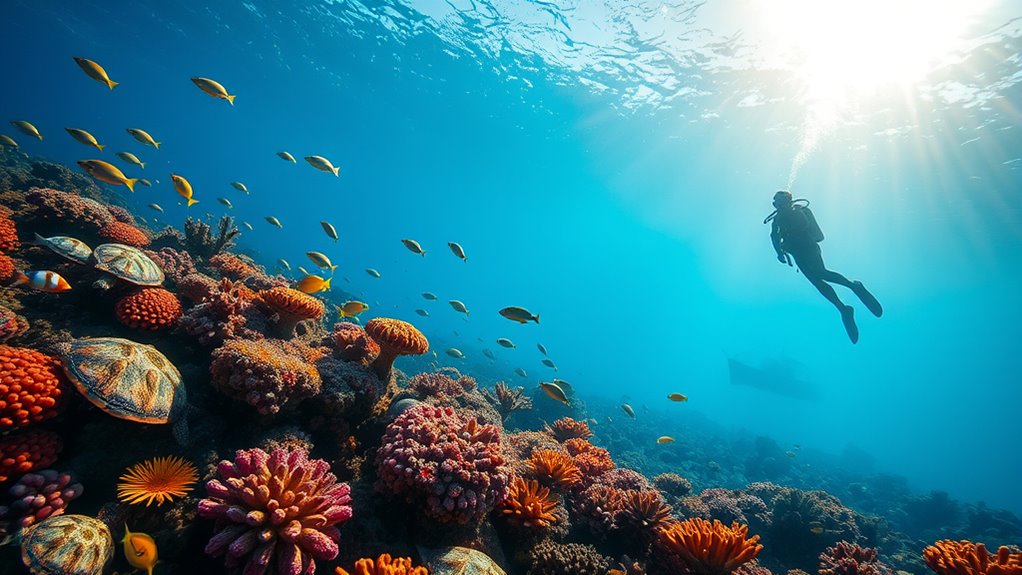
Have you ever wondered how indispensable the oceans are to our planet’s health? They cover over 70% of the Earth’s surface and are critical for maintaining climate stability, supporting life, and providing resources. One of the most significant ways the oceans benefit us is through their incredible marine biodiversity. This diverse array of species, from tiny plankton to massive whales, sustains entire ecosystems and underpins global food security. However, human activities threaten this delicate balance, leading to alarming declines in marine biodiversity. Overfishing depletes fish populations faster than they can recover, disrupting food chains and causing irreversible damage to marine habitats. Noise pollution from ships, construction, and military activities further endangers marine life by interfering with animals’ communication, navigation, and mating behaviors. These disruptions can cause stress, disorientation, and even death among marine species, weakening the resilience of ocean ecosystems. Protecting biodiversity hotspots is essential for maintaining the health and stability of our oceans.
Beyond the direct effects on marine life, human actions also accelerate coastal erosion, a process that jeopardizes communities, habitats, and economies. Coastal erosion occurs when natural barriers like dunes, mangroves, and coral reefs are degraded or removed, often due to human development, rising sea levels, and increased storm activity. Without these natural defenses, coastlines become more susceptible to the relentless pounding of waves, leading to loss of land and habitats. This not only endangers local communities but also diminishes the natural buffers that protect inland areas from flooding and storm surges. Protecting marine biodiversity is essential in this context, as healthy ecosystems like coral reefs and mangroves act as natural shields against erosion, stabilizing coastlines and supporting diverse marine life.
Addressing these issues requires a multifaceted approach. Reducing noise pollution involves regulating maritime traffic, establishing marine protected areas, and developing quieter ship technologies. Combating overfishing calls for sustainable fishing practices, stricter regulations, and the promotion of aquaculture that doesn’t deplete wild stocks. Restoring natural coastal defenses by conserving and rehabilitating mangroves, dunes, and reefs plays a key role in preventing erosion and fostering resilient ecosystems. Public awareness and community involvement are necessary to implementing these solutions effectively. When you support policies that prioritize ocean health, reduce your carbon footprint, and advocate for sustainable seafood, you contribute directly to preserving the ocean’s vitality. By understanding the interconnectedness of marine biodiversity, coastal erosion, and human actions, you can help foster a future where oceans continue to thrive and sustain life for generations to come.
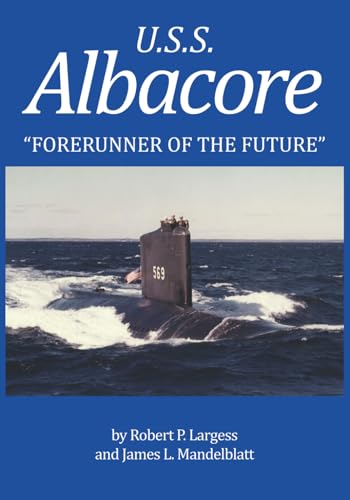
U. S. S. Albacore: Forerunner of the Future (Publication (Portsmouth Marine Society),25.)
As an affiliate, we earn on qualifying purchases.
As an affiliate, we earn on qualifying purchases.
Frequently Asked Questions
How Does Ocean Noise Pollution Affect Deep-Sea Creatures?
You might not realize it, but ocean noise pollution disrupts deep-sea creatures’ communication, making it hard for them to find mates or warn about dangers. Loud sounds can cause acoustic trauma, damaging their hearing and impairing their ability to navigate or hunt. This disturbance threatens their survival, as they rely heavily on sound. Reducing noise pollution helps protect these creatures and preserves the delicate balance of deep-sea ecosystems.
Can Underwater Sound Barriers Reduce Marine Noise Impact?
Yes, underwater sound barriers can reduce the impact of marine noise. They work by absorbing, deflecting, or diffusing noise, aiding in noise mitigation efforts. When you support or implement these sound barriers, you’re helping to protect marine life from harmful noise pollution caused by shipping, construction, and other human activities. This technology offers a promising way to minimize disturbance and promote healthier ocean ecosystems.
What Are Sustainable Fishing Practices to Prevent Overfishing?
You can prevent overfishing by adopting sustainable practices like enforcing quotas and reducing bycatch. Set strict catch limits to guarantee fish populations stay healthy, and use selective gear to minimize accidental captures of non-target species. Regular monitoring and strict enforcement help maintain fish stocks. By practicing these methods, you’ll contribute to healthier oceans, preserving marine biodiversity and ensuring fish populations thrive for future generations.
How Do Marine Protected Areas Influence Fish Populations Long-Term?
Think of marine protected areas as a lighthouse guiding fish populations back home. They shield habitats, allowing fish to thrive without overfishing pressure, leading to habitat recovery. Over time, these zones boost fish populations, acting as reservoirs that replenish surrounding waters. This long-term influence sustains healthy ecosystems, supports fisheries, and preserves biodiversity, making them essential tools for maintaining ocean balance and ensuring future generations can enjoy vibrant, resilient marine life.
Are There Innovative Technologies Aiding Ocean Conservation Efforts?
Yes, innovative technologies like marine drones and AI monitoring considerably aid ocean conservation efforts. Marine drones allow you to survey vast areas quickly, collect data on marine life, and monitor illegal activities. AI monitoring helps you analyze this data efficiently, identify patterns, and track changes over time. Together, these tools empower you to make informed decisions, enforce protections, and promote healthier ocean ecosystems more effectively than ever before.

Cooking with Tinned Fish: Tasty Meals with Sustainable Seafood
Bart van Olphen promotes sustainable seafood and presented with the title of the world's most sustainable seafood entrepreneur…
As an affiliate, we earn on qualifying purchases.
As an affiliate, we earn on qualifying purchases.
Conclusion
You might think tackling ocean issues is overwhelming, but every action counts. Addressing noise pollution, overfishing, and other threats requires collective effort and innovative solutions. Some argue that individual changes won’t make a difference, yet small steps—like supporting sustainable fisheries or reducing noise pollution—can create ripple effects. By staying informed and engaged, you contribute to a healthier ocean, proving that meaningful change is possible when we work together to protect our planet’s most essential resource.

2 Pack Warning Property Protected By A U.S. Marine 12 inch by 8 inch Metal Tin Sign
🔥➀【MATERIAL】Tin and metal. Color: as shown.
As an affiliate, we earn on qualifying purchases.
As an affiliate, we earn on qualifying purchases.

Sandbaggy Coir Mat | Erosion Control Product for Stopping Soil Erosion on Hillsides, Riverbanks & Oceanfront | Lasts 5X Longer Than Straw Blanket | Lasts 2-5 Yrs (Homeowner Size – 4 ft by 30 ft Roll)
LONG-LASTING EROSION CONTROL WITH COIR FIBERS: Made from dense coconut coir fibers, this erosion control mat offers 2–5…
As an affiliate, we earn on qualifying purchases.
As an affiliate, we earn on qualifying purchases.