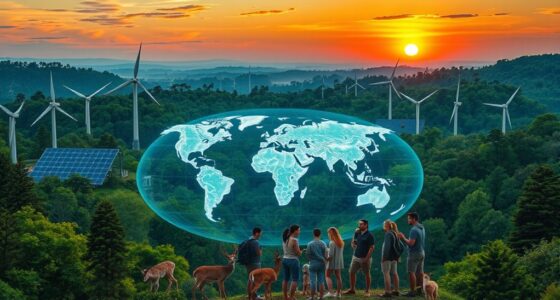
By participating in conservation photography and citizen science, you help document wildlife and habitats, raising awareness and inspiring action. Your photos and observations can support scientific research, monitor environmental changes, and promote local conservation efforts. Sharing your work online or at community events encourages others to get involved. These efforts build a sense of responsibility and empower you to make a difference. Keep exploring these tools to discover how your contributions can impact conservation worldwide.
Key Takeaways
- Conservation photography raises public awareness by visually highlighting biodiversity and environmental issues, inspiring community engagement.
- Citizen science platforms enable the public to contribute observations and photos, supporting scientific research and monitoring efforts.
- Sharing wildlife images fosters emotional connections, motivating individuals to participate in local conservation initiatives.
- Collaborative efforts between photographers and scientists enhance data collection and advocacy for vulnerable species.
- Engaging communities through events and social media builds collective responsibility for environmental preservation.
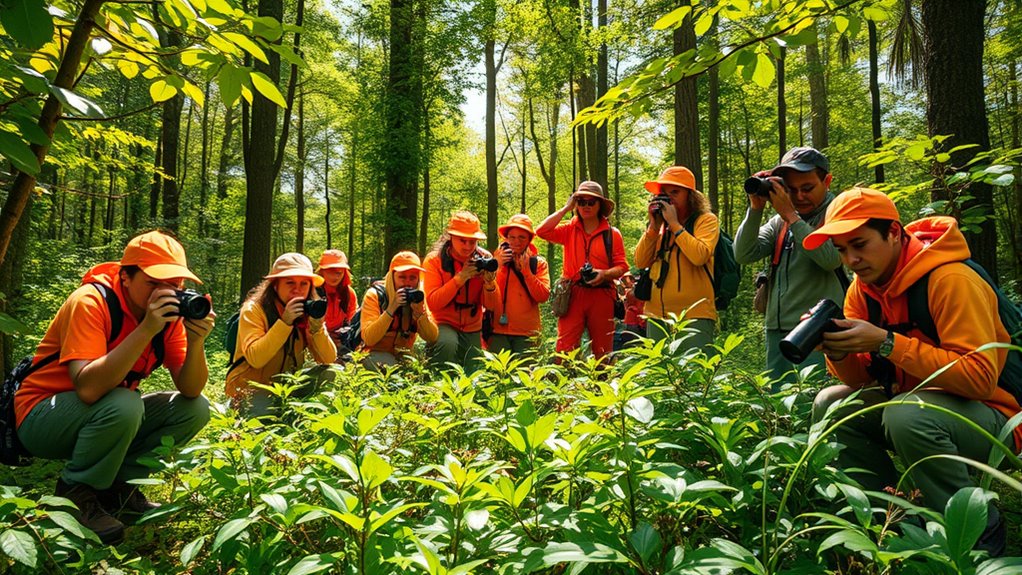
Conservation photography and citizen science are powerful tools that empower everyday people to make a real impact on protecting the environment. When you participate, you become part of a larger movement that influences policy, raises awareness, and fosters a deeper understanding of the natural world. One of the most direct ways you can contribute is through wildlife documentation. By capturing images of animals and their habitats, you help create a visual record that highlights species at risk, behaviors, and environmental changes. These photographs can be used to identify populations, monitor health, and track migration patterns, providing essential data for scientists and conservationists alike. Your images have the potential to tell stories that resonate with the public and decision-makers, emphasizing the importance of preserving biodiversity.
Wildlife photography helps document species at risk, inform conservation efforts, and inspire public awareness and action.
Community engagement plays an important role in this process. When you share your wildlife documentation within your community, you encourage others to get involved and become stewards of local ecosystems. Whether it’s organizing a local photography event, leading a nature walk, or simply posting on social media, your efforts can inspire collective action. Engaging your neighbors and friends creates a ripple effect, cultivating a shared sense of responsibility for the environment. It also helps build local networks of conservation-minded individuals who are committed to protecting their natural surroundings. Through these interactions, you can educate others about species that might otherwise fly under the radar, fostering a greater appreciation for local wildlife and ecosystems. Additionally, understanding personal finance management principles can help fund ongoing conservation efforts and ensure your ability to participate actively over the long term.
Furthermore, citizen science initiatives often provide platforms for collaboration that make your wildlife documentation more impactful. Many organizations offer apps and online portals where you can upload your photos and observations. This collective data set feeds into larger research projects, giving scientists access to extensive, real-time information. Your contributions become part of a broader scientific effort to understand and safeguard vulnerable species and habitats. The act of documenting wildlife becomes a form of advocacy, turning your passion for photography into a means of effecting positive change.
In essence, by engaging in wildlife documentation and community involvement, you help bridge the gap between scientific research and public awareness. Your photos and actions serve as powerful tools to educate, motivate, and inspire others to take conservation seriously. When you recognize your role in this process, you realize that every photograph, every shared story, and every community event adds up to a stronger, more informed movement dedicated to protecting the planet for future generations.

Canon EOS Rebel T7 DSLR Camera|2 Lens Kit with EF18-55mm + EF 75-300mm Lens, Black
Improved Dual Pixel CMOS AF and eye detection AF 24.1 Megapixel CMOS (APS-C) sensor with is 100–6400 (H:…
As an affiliate, we earn on qualifying purchases.
As an affiliate, we earn on qualifying purchases.
Frequently Asked Questions
How Can Beginners Start Practicing Conservation Photography Effectively?
To start practicing conservation photography effectively, you should learn to observe wildlife behavior closely, understanding their habits and habitats. Use accessible equipment like a good zoom lens and a sturdy camera to capture candid moments without disturbing animals. Practice patience and timing, focusing on ethical shooting. Begin with local nature spots, gradually expanding your skills and knowledge, and consider joining citizen science projects to contribute to conservation efforts.
What Tools Are Essential for Citizen Scientists in Conservation Projects?
You’ll need essential tools like remote sensing devices, such as drones or satellite imagery, to gather accurate environmental data. Data visualization software helps you interpret and present your findings clearly, making complex information accessible. These tools empower you to monitor ecosystems effectively, identify changes over time, and engage the community by sharing visual insights. With these resources, you can contribute meaningfully to conservation efforts and foster public awareness.
How Do Privacy Concerns Impact Citizen Science Data Sharing?
Did you know that 85% of volunteers worry about Data Privacy when sharing conservation data? Privacy concerns *vital* impact citizen science data sharing, as they can limit participation and transparency. To address this, maintaining Ethical Transparency is *essential*, reassuring contributors that their information is protected. By balancing data sharing with privacy safeguards, you foster trust, encouraging ongoing engagement and meaningful contributions to conservation efforts.
Can Conservation Photography Influence Policy Changes?
Yes, conservation photography can influence policy changes by highlighting critical environmental issues, inspiring public support, and raising awareness. Your photos serve as powerful advocacy tools, shaping policy impact by compelling decision-makers to act. By integrating conservation photography into your advocacy strategies, you can effectively communicate urgent conservation needs and motivate policymakers to implement meaningful changes that protect ecosystems and species.
What Are the Ethical Considerations in Conservation Photography?
You’d think capturing stunning wildlife shots is straightforward, but ethical dilemmas lurk behind every frame. Respect cultural sensitivities and avoid causing harm or distress. Ironically, your quest for awe-inspiring images might unintentionally exploit vulnerable communities or species. Always ask yourself if your photography upholds the dignity of subjects and preserves natural integrity. Balancing storytelling with responsibility ensures your work benefits conservation without crossing ethical boundaries.
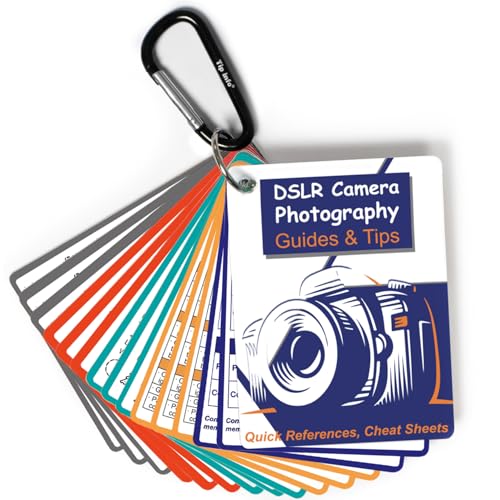
DSLR Cheat Sheet Photography Accessories Camera Accessories for Canon Nikon Sony Photography Gifts for Photographer Quick Reference Cards Guides Tips Settings Exposure Modes Composition And More 4×3in
Must-Have Camera Accessories for Photography: Includes 30 pages of the most useful photography tips, these 16 double-sided DSLR…
As an affiliate, we earn on qualifying purchases.
As an affiliate, we earn on qualifying purchases.
Conclusion
By combining conservation photography with citizen science, you become a crucial part of protecting our planet. Your photos and data help scientists track species and habitats, making real change possible. Did you know that over 300,000 people worldwide have contributed to citizen science projects? Your efforts, no matter how small, can lead to big environmental impacts. So, keep capturing nature’s beauty and sharing your observations—your involvement truly makes a difference in conserving our world.
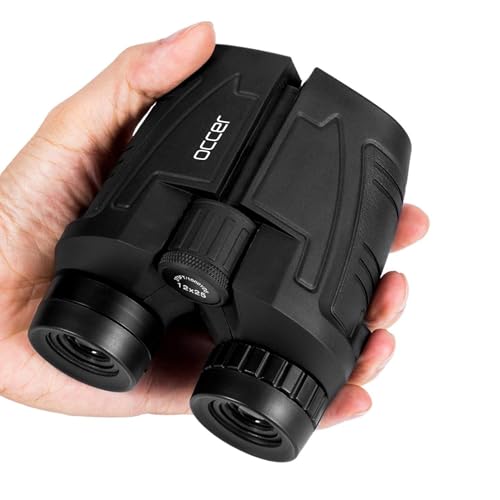
Occer 12×25 Compact Binoculars for Adults and Kids, Large Eyepiece Waterproof Binocular with Low Light Vision,High Powered Easy Focus Binoculars for Bird Watching,Outdoor Hunting,Travel,Sightseeing
【HIGH-POWERED LARGE EYEPIECE BINOCULARS】 This binoculars for adults has 12x magnification, 25mm objective lens and wide field of…
As an affiliate, we earn on qualifying purchases.
As an affiliate, we earn on qualifying purchases.

CAMBOFOTO 74″ Aluminum Camera Tripod – Heavy‐Duty Professional Tripod Stand for DSLR & Mirrorless Cameras, Smartphones & GoPro – Lightweight Travel Tripod with 360° Pan Head & Phone Mount
Adjustable 20″–74″ Height: Easily extend from tabletop to full height for portraits, vlogs, outdoor photography, travel shots, and…
As an affiliate, we earn on qualifying purchases.
As an affiliate, we earn on qualifying purchases.