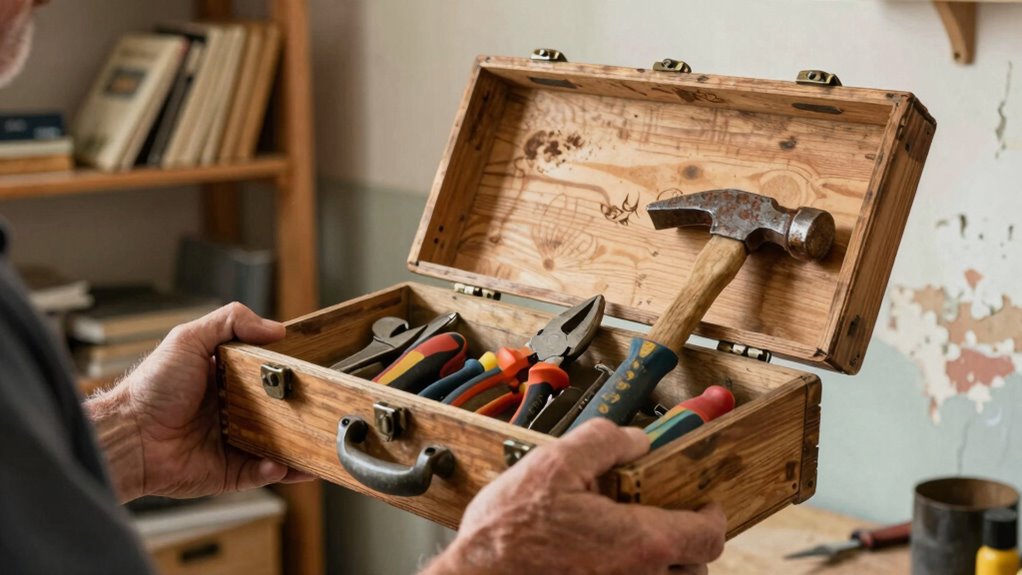
You care more about repairable home goods because they help you save money in the long run, reduce waste, and lessen your environmental impact. When products are designed for repair, you gain more control, avoid unnecessary replacements, and can easily fix things yourself. This shift also reflects your values for sustainability and responsible consumption. If you want to discover how repairability benefits both you and the planet, keep exploring these ideas further.

Get school and study supplies delivered free — and shop member deals
- Fast, free delivery on millions of items
- Access to Prime Big Deal Days deals on October 6–7
- Prime Video, Amazon Music and more included
Key Takeaways
- Consumers seek sustainable practices to reduce waste and lower their ecological footprint.
- Repairable home goods offer longer lifespans, preventing premature disposal.
- Accessibility to spare parts and repair instructions boosts consumer confidence and independence.
- Repair-friendly designs promote responsible consumption and smarter purchasing decisions.
- Growing environmental awareness drives demand for durable, eco-conscious home products.
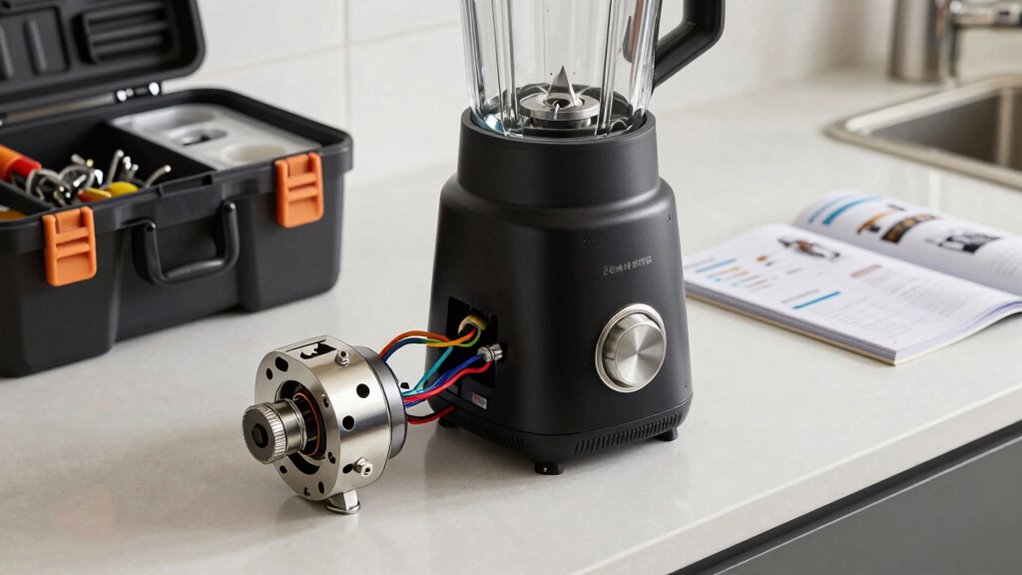
In today’s world, repairing home goods instead of replacing them not only saves you money but also benefits the environment. More consumers are recognizing the value of choosing repairable products, driven by a desire to reduce waste and support sustainable manufacturing practices. When you opt for items designed to be repaired, you’re actively participating in a cycle that minimizes landfill clutter and conserves resources. Instead of discarding broken appliances or furniture, you can fix what’s broken, extending the lifespan of your belongings and decreasing the demand for new production. This shift toward repairability aligns with the broader movement for environmental responsibility, helping lessen the ecological footprint of consumer habits.
Choosing repairable home goods reduces waste, saves money, and supports sustainable, eco-friendly consumption.
Consumer empowerment plays a significant role in this trend. When products are built with repairability in mind, you gain more control over their longevity. You’re no longer at the mercy of manufacturers who design items with planned obsolescence—where parts are difficult or expensive to replace. Instead, you can seek out products that come with accessible spare parts and clear repair instructions. This empowerment encourages you to make smarter, more sustainable choices, knowing you have the ability to maintain and fix your home goods rather than replace them prematurely. It fosters a sense of independence and confidence, as you’re not solely dependent on professional services or new purchases to keep your belongings in working order.
Choosing repairable home goods also influences the manufacturing landscape. When consumer demand shifts toward products that prioritize repairability, manufacturers are compelled to adopt more sustainable manufacturing processes. They start designing items that are easier to repair, using durable materials and modular parts, which in turn supports a circular economy. This approach not only benefits the environment but also encourages innovation in product design, making repairs simpler and more cost-effective for you. As a result, you become part of a larger movement that promotes responsible production and consumption, ensuring that your choices contribute to a healthier planet. Additionally, repairability often relies on durable materials, which are essential for creating products that withstand wear and tear over time. Incorporating repair-friendly features into product designs further facilitates easier and more efficient repairs, extending the life of your belongings. Recognizing the importance of sustainable manufacturing can inspire both consumers and companies to prioritize environmentally conscious practices. Moreover, the availability of repair guides and resources empowers consumers to undertake repairs confidently, further supporting the shift toward sustainability.
Ultimately, your preference for repairable home goods reflects a conscious effort to align your spending with your values. It’s about more than just saving money—it’s about advocating for a system that values longevity, sustainability, and consumer empowerment. By supporting products that can be fixed rather than discarded, you help foster a culture that prioritizes resourcefulness and environmental consciousness. This mindset ensures that your home remains functional and sustainable for years to come, making repairable goods a smart and principled choice in today’s eco-aware world.
As an affiliate, we earn on qualifying purchases.
Frequently Asked Questions
How Do Repairable Home Goods Impact Home Insurance Costs?
Repairable home goods can lower your home insurance costs because insurers often offer discounts for items that are easy to repair. This means you might see home insurance discounts, making your policy more affordable. Additionally, repairable items can lead to repair cost savings, reducing the overall expense if damage occurs. By choosing repairable goods, you not only protect your home but also benefit financially through lower premiums and repair expenses.
Are Repairable Products More Durable Than Non-Repairable Ones?
Repairable products are often more durable than non-repairable ones because they’re designed for longevity. You’ll find that repairable home goods typically last longer, saving you from constant replacements and reducing waste. Their sustainability benefits mean you’re making smarter, eco-friendly choices. With a focus on product longevity, repairable items withstand daily wear and tear better, ensuring they remain reliable and functional for years, making them a smarter investment overall.
What Certifications Should I Look for in Repairable Home Goods?
You should look for certification standards like ENERGY STAR, EPEAT, or UL, which guarantee safety and quality. Repairability labels are also helpful—they show how easy it is to fix or replace parts. These certifications and labels give you confidence that the home goods meet industry standards for durability and repairability, making your investment more sustainable and cost-effective over time.
How Long Does It Typically Take to Repair These Products?
Typically, repair time for home goods varies depending on the product and the issue. Most repairs have a turnaround period of a few days to a week, but complex repairs might take longer. You should ask your repair service for an estimated repair time upfront, so you can plan accordingly. Efficient repair services aim to minimize downtime, ensuring your home goods are back in use as quickly as possible.
Do Repairable Goods Come With Longer Warranties?
Repairable goods often come with longer warranties because manufacturers want to showcase their confidence in the repair process. A warranty extension gives you peace of mind, knowing that if something goes wrong, you’re covered for repairs beyond the standard period. This reflects a commitment to durability and sustainability, encouraging you to choose repairable products, as they reduce waste and often lead to cost savings over time.
As an affiliate, we earn on qualifying purchases.
Conclusion
Imagine walking into your home and knowing every piece of furniture and appliance can be easily repaired, like a trusted friend ready to lend a hand. When you choose repairable home goods, you’re investing in durability and peace of mind, knowing your space won’t quickly fall apart or become waste. This isn’t just about convenience — it’s about creating a sanctuary that endures, where each item tells a story of care, resilience, and mindful living.
As an affiliate, we earn on qualifying purchases.
As an affiliate, we earn on qualifying purchases.
Fall Picks
fall essentials
As an affiliate, we earn on qualifying purchases.