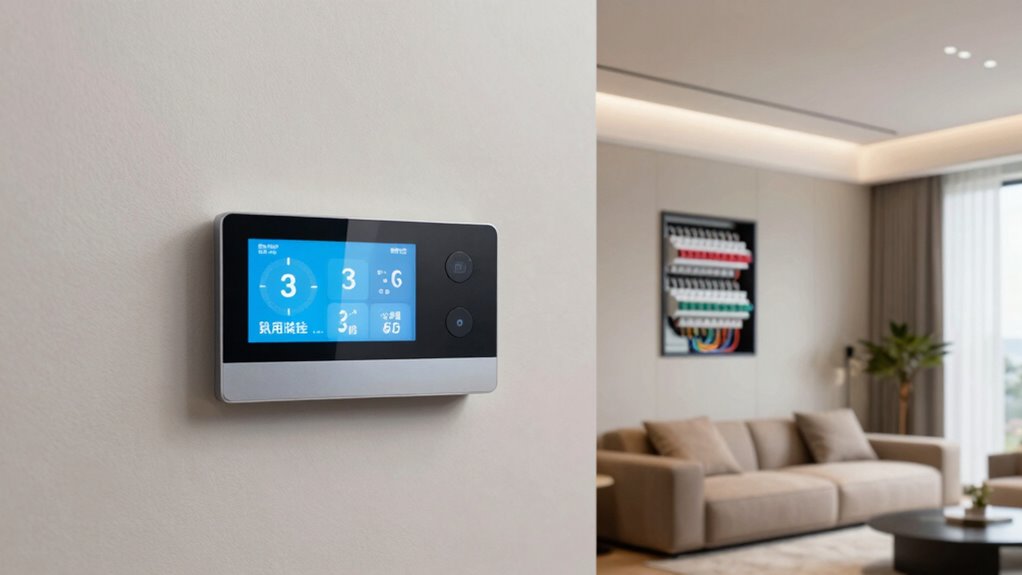
Electric home upgrades work together to create a smarter, safer, and more energy-efficient house. Smart thermostats learn your schedule and control your temperature remotely, while solar systems generate clean energy and store excess power. Centralized automation helps your devices communicate and optimize performance based on energy availability. Proper wiring and safety features protect your home, and monitoring systems provide real-time data to boost overall efficiency. Keep exploring to discover how these upgrades seamlessly integrate for maximum benefit.
Key Takeaways
- Smart thermostats automatically adjust temperatures based on user schedules and solar energy availability for optimal comfort and efficiency.
- Solar panels generate clean energy, which is managed and distributed by centralized automation systems to maximize usage.
- Proper wiring and smart controls ensure all components operate safely, reliably, and communicate seamlessly.
- Monitoring systems provide real-time data to optimize energy consumption and identify areas for system improvements.
- Integration of these upgrades creates a cohesive, energy-efficient home that reduces utility costs and enhances safety.
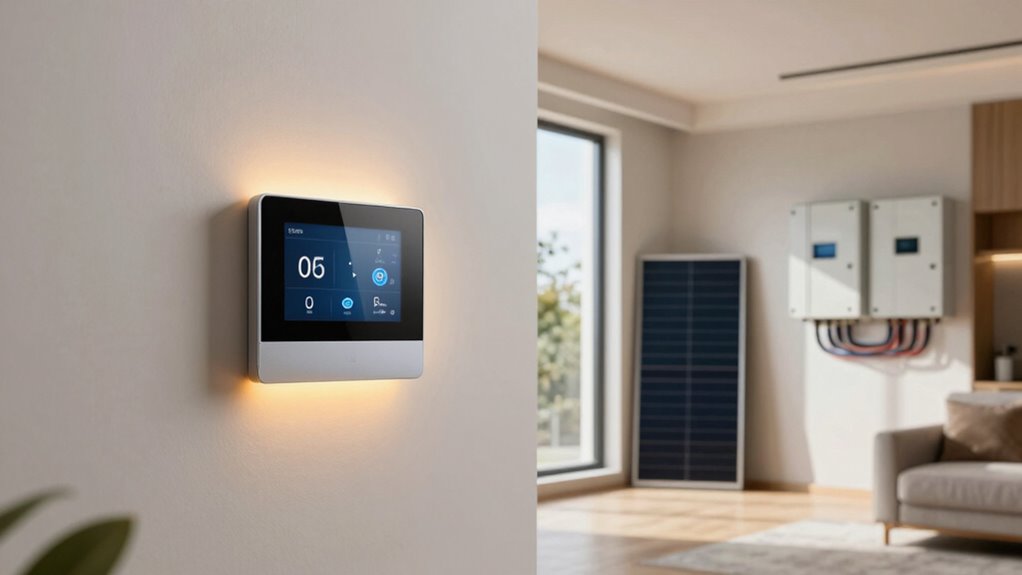
Have you ever wondered how different electric upgrades in your home work together to create a safer, more efficient system? When you upgrade your home’s electrical setup, you’re fundamentally building a smarter, greener, and more reliable environment. One key component that exemplifies this integration is the smart thermostat. Instead of manually adjusting your heating and cooling, a smart thermostat learns your schedule, adjusts temperatures automatically, and can be controlled remotely via your smartphone. It’s designed to optimize energy use, reducing waste and lowering your utility bills. But it doesn’t operate in isolation. It connects seamlessly with your home’s overall electrical system, working with other upgrades like solar panel integration to maximize efficiency. Proper wiring and smart controls are essential to ensure all components work together safely and effectively. Solar panel integration plays a critical role in creating an eco-friendly home. When you install solar panels, they generate renewable energy that can power your entire house, including your smart thermostat and other appliances. This setup isn’t just about saving money; it’s about reducing your carbon footprint. The solar system often connects to a home’s electrical panel through a specialized inverter that converts the sunlight into usable electricity. This process feeds excess energy back into the grid or stores it in batteries for later use, making your home more self-sufficient. When combined with smart thermostats, solar panels enable your home to operate on clean energy more effectively. For example, during peak sunlight hours, your solar system can supply most of your energy needs, allowing your smart thermostat to maintain comfort levels without drawing power from the grid. At night or on cloudy days, your system balances energy from stored solar power or grid supply, all while your smart thermostat adapts to ensure your home stays comfortable without wasting energy. The real magic happens when these upgrades communicate with each other through a centralized home automation system. Your smart thermostat can receive data from your solar panel system, adjusting your heating and cooling based on real-time energy production and consumption. If your solar panels are producing excess energy, your thermostat might decide to run the air conditioning or heating more aggressively, taking advantage of the free energy. Conversely, if your solar panels are underperforming, the system can switch to more energy-efficient modes, ensuring your home remains comfortable without unnecessary power consumption. Incorporating integrated energy management enhances the coordination between these systems, providing a seamless experience. This interconnected setup not only enhances your home’s energy efficiency but also boosts safety. **Proper wiring and smart controls** ensure potential **electrical issues are minimized, and your entire system operates smoothly, reducing the risk of overloads or shorts. Additionally, adopting advanced monitoring systems can give homeowners real-time insights into their energy consumption and system performance, further optimizing efficiency and safety. Upgrading these systems thoughtfully can also improve the overall home safety**, giving you peace of mind alongside energy savings.

Sensi Smart Thermostat, Wi-Fi, DIY, Alexa, Energy Star Certified, ST55
- Privacy Protection: Won't sell your personal data
- Easy DIY Installation: Simple setup with app instructions
- No C-wire Needed: Compatible with most HVAC systems
As an affiliate, we earn on qualifying purchases.
As an affiliate, we earn on qualifying purchases.
Frequently Asked Questions
How Long Does a Typical Electric Home Upgrade Take?
A typical electric home upgrade takes about one to three days, depending on the scope. During this process, you’ll improve electrical safety by updating outdated wiring and panels, and boost energy efficiency with modern fixtures and smart systems. You actively work with professionals to guarantee everything meets safety standards, minimizing risks. Overall, the upgrade enhances your home’s safety and energy efficiency, making it safer, smarter, and more efficient in just a few days.
Are Electric Upgrades Compatible With All Home Types?
You might think all homes are a perfect fit for electric upgrades, but that’s not always the case. Some historic homes may need special considerations, and solar compatibility varies based on roof type and shading. While upgrades generally work with most home types, it’s wise to consult professionals to guarantee your home’s unique features won’t be a hurdle. With the right planning, you can turn any home into an energy-efficient haven.
What Are the Costs Associated With Combined Electric Upgrades?
The costs for combined electric upgrades, like solar integration and smart home systems, vary based on your home’s size and existing setup. Expect to invest several thousand dollars, but these upgrades often qualify for rebates and incentives, reducing expenses. You’ll save on energy bills over time. By upgrading together, you optimize your home’s efficiency and future-proof it, making your investment more worthwhile.
Can I Upgrade My Electric System Gradually?
Yes, you can upgrade your electric system gradually. Start with energy-efficient appliances to reduce immediate load, then expand your system over time. Incorporate smart home integration for better control and future upgrades. This approach allows you to spread costs and avoid disruptions, making your home more sustainable and efficient at your own pace. Just make certain each upgrade is compatible with your existing system for smooth integration.
Do Electric Upgrades Increase Home Insurance Premiums?
Electric upgrades can potentially increase your insurance premiums because insurers see them as higher risks or investments. However, they might also improve your coverage options, offering better protection and safety features. It’s essential to notify your insurance company about upgrades, as this transparency can influence premiums and coverage. Overall, while costs might go up initially, the enhanced safety and coverage could provide long-term benefits for your home security.
As an affiliate, we earn on qualifying purchases.
Conclusion
By upgrading your home’s electrical system, you’re weaving a seamless web of safety, efficiency, and modern comfort. Each improvement, like an essential thread, strengthens the whole, creating a sturdy foundation for your future. Imagine your home as a well-orchestrated symphony, where every note harmonizes perfectly. When all these upgrades work together, they transform your space into a safe, smart, and energy-efficient haven—your sanctuary shining brighter with every powered-up corner.
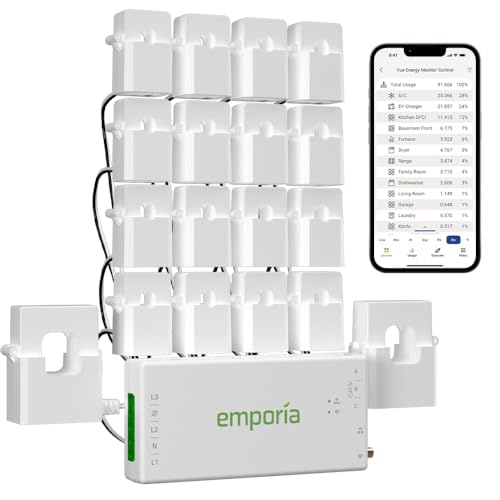
Emporia Vue 3 Home Energy Monitor – Smart Home Automation Module and Real Time Electricity Usage Monitor, Power Consumption Meter, Solar and Net Metering for UL Certified Safe Energy Monitoring
- UL Certified for Safety: Certified for electrical safety standards
- Easy Installation in Circuit Panel: Supports various home electrical systems
- Real-Time Energy Monitoring: 24/7 power usage management
As an affiliate, we earn on qualifying purchases.
As an affiliate, we earn on qualifying purchases.
home automation hub for smart devices
As an affiliate, we earn on qualifying purchases.
As an affiliate, we earn on qualifying purchases.