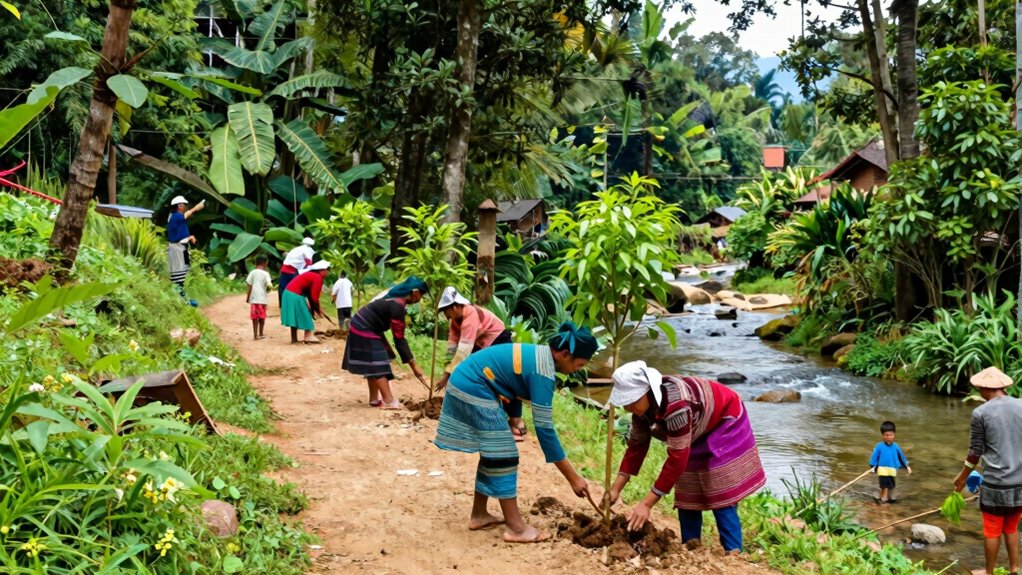
You depend on local communities for successful conservation because they hold valuable knowledge about the environment, recognize species at risk, and understand seasonal patterns. When communities participate actively, they develop a sense of ownership that encourages sustainable practices and enhances resilience. Their cultural connection to the land fosters appreciation and acceptance of conservation efforts. Working together builds trust, sharing resources and solutions. Keep exploring how supporting local communities can make a lasting difference in protecting our environment.
Key Takeaways
- Local knowledge enables early detection of environmental changes and species in need of protection.
- Community ownership encourages sustainable land use and resource management practices.
- Cultural appreciation of ecosystems fosters greater acceptance and support for conservation efforts.
- Collaboration and resource sharing among communities strengthen environmental stewardship.
- Local participation enhances resilience and effectiveness of conservation strategies over the long term.
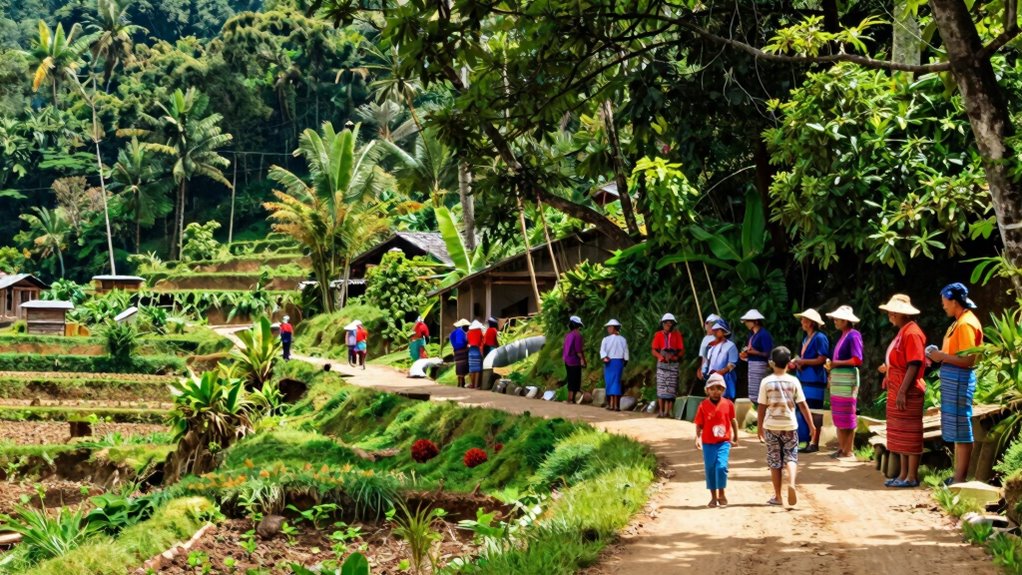
Conservation efforts are most effective when local communities are actively involved, as their knowledge and daily practices directly influence the health of ecosystems. When you participate in conservation, you bring a deep understanding of your environment that outsiders often lack. This local knowledge allows you to identify changes early, recognize species that need protection, and understand seasonal patterns that impact wildlife. Your community’s participation isn’t just about compliance; it’s about ownership. When you feel connected to the land and resources, you’re more likely to adopt sustainable practices that protect these assets for future generations.
Your involvement fosters a sense of responsibility that can drive meaningful change. Sustainable practices—like responsible farming, fishing, and land use—are crucial for long-term conservation success. When you implement these practices, you help maintain the delicate balance of ecosystems, ensuring that resources remain available and healthy. For example, traditional methods of harvesting or farming often incorporate methods that limit environmental damage, even if they’re not labeled as “sustainable.” Recognizing and integrating these practices into formal conservation strategies can enhance their effectiveness. Additionally, understanding the local ecosystems can help communities better appreciate their intrinsic value and the need for preservation. Incorporating local ecological knowledge into conservation plans can lead to more culturally appropriate and effective solutions.
Community participation also encourages the sharing of knowledge and resources. When local people work together, they develop innovative solutions tailored to their unique circumstances. You can collaborate with conservation organizations, government agencies, and neighboring communities to develop projects that respect local customs while promoting sustainability. This collective effort helps create a network of stewards who understand the importance of protecting their environment, leading to more consistent and long-lasting conservation outcomes. Furthermore, fostering community engagement can strengthen social bonds and reinforce the collective responsibility for environmental stewardship. Recognizing the importance of local participation and traditional practices enhances the resilience and adaptability of conservation efforts, making them more effective in the face of environmental challenges.

Conservation Mounting for Prints and Drawings
As an affiliate, we earn on qualifying purchases.
As an affiliate, we earn on qualifying purchases.
Frequently Asked Questions
How Do Local Traditions Influence Conservation Efforts?
Your local traditions profoundly influence conservation efforts through cultural practices that shape how resources are used and protected. Tradition impacts community behavior, encouraging sustainable practices rooted in history and identity. When you honor and incorporate these cultural practices, conservation becomes more effective because people feel connected and responsible. Recognizing the importance of tradition impacts fosters collaboration, ensuring that conservation efforts respect local customs while promoting environmental health.
What Funding Sources Support Community-Based Conservation Projects?
Imagine a garden blooming with diverse flowers—your community’s conservation efforts thrive on funding diversity. You can access grant opportunities from government agencies, NGOs, and international organizations, providing essential support. These sources help sustain local projects, empowering communities to protect their environment. By diversifying funding, you guarantee resilience and long-term success, turning conservation into a shared, flourishing responsibility that benefits everyone involved.
How Is Success Measured in Community-Led Conservation?
You measure success in community-led conservation through ecological indicators like increased biodiversity or healthier habitats, showing positive environmental change. Social engagement also plays a key role; you look for active participation, local support, and shared stewardship of resources. When communities feel connected and invested, conservation efforts tend to be sustainable. By tracking both ecological indicators and social engagement, you can assess whether conservation initiatives are truly effective and lasting.
What Challenges Do Communities Face in Conservation Initiatives?
You face several challenges in conservation initiatives, including maintaining consistent community engagement and ensuring policy enforcement. Engaging locals can be difficult when they feel excluded or undervalued, which hampers cooperation. Additionally, enforcing policies requires resources and political will, which may be lacking. Balancing economic needs with conservation goals also poses a challenge, but active community participation and strong enforcement can help overcome these obstacles.
How Can Technology Enhance Local Conservation Practices?
Technology acts as a bridge, turning local efforts into global solutions. You can use digital mapping to identify critical habitats and monitor changes in real-time, making conservation more precise. Mobile apps empower communities to report threats or illegal activities instantly, creating a digital watchdog network. By embracing these tools, your conservation practices become more efficient, fostering a sense of ownership and collaboration that’s essential for preserving your environment’s future.

Traditional Ecological Knowledge (New Directions in Sustainability and Society)
As an affiliate, we earn on qualifying purchases.
As an affiliate, we earn on qualifying purchases.
Conclusion
You might think conservation requires big government projects or strict rules, but involving local communities proves more effective. When you include those who live nearby, they become stewards of the land, genuinely caring for its future. Some argue it’s too risky or that locals might exploit resources, but with proper support and respect, communities thrive while protecting nature. Your role? Support grassroots efforts—because lasting conservation depends on those who call the land home.

COMPLETE GUIDE TO GEESE FARMING: Essential Techniques, Sustainable Practices, And Profitable Strategies For Raising Healthy Birds
As an affiliate, we earn on qualifying purchases.
As an affiliate, we earn on qualifying purchases.

24 Sets DIY Wood Birdhouse Bulk for Kids Parties and Classrooms, Art Painting Bird House Craft Kit Unfinished Wood Bird Houses to Paint for Kids 3+ Spring Summer Arts and Craft Projects
Ideal for Kids Parties and Classrooms: Each package set of 24 packs bird house kits, including 6 different…
As an affiliate, we earn on qualifying purchases.
As an affiliate, we earn on qualifying purchases.