
You might think choosing eco-friendly fabrics like organic cotton or recycled materials makes a clothing item sustainable, but there’s more to consider. Buyers often overlook the entire supply chain, production practices, and garment longevity. Even eco fabrics can be sourced irresponsibly or made in factories with poor labor conditions. To truly make responsible choices, it’s essential to look beyond labels and understand the full lifecycle of your clothing. Keep exploring to learn how you can make a real impact.
Key Takeaways
- Many shoppers overlook the entire supply chain, focusing only on eco-friendly fabrics rather than responsible sourcing and manufacturing practices.
- Sustainable basics often lack transparency about labor conditions and environmental impact in their production processes.
- Durability and proper garment care are crucial for sustainability but are frequently underestimated by consumers.
- Labels alone don’t guarantee ethical or environmental standards; understanding the full lifecycle of clothing is essential.
- Responsible purchasing involves asking tough questions about sourcing, production ethics, and long-term environmental impact.

Sustainable practices are the foundation of a healthier planet, and understanding the basics is essential for making meaningful changes. When you shop for clothing, you might think that choosing eco-friendly fabrics or supporting ethical manufacturing is enough. However, many shoppers overlook how deeply these elements influence the entire supply chain and the true impact of their choices. Simply picking eco-friendly fabrics like organic cotton, hemp, or recycled materials is a great start, but it’s equally important to consider how these fabrics are produced. Eco-friendly fabrics reduce chemical use and water consumption, but if they’re not sourced responsibly, their environmental benefits can be compromised.
Choosing eco-friendly fabrics is a good start, but responsible sourcing is key to genuine sustainability.
Similarly, ethical manufacturing isn’t just about ensuring fair wages or safe working conditions — it’s about transparency and accountability across the entire process. Many brands claim to be ethical, yet don’t fully disclose their supply chains or labor practices. As a conscious shopper, you might focus on the end product, but understanding where and how your clothes are made helps you truly evaluate their sustainability. Ethical manufacturing involves fair treatment of workers, environmentally responsible production methods, and a commitment to reducing waste and pollution at every stage. Incorporating supply chain transparency into your evaluation process is crucial for truly understanding a brand’s sustainability claims.
What many people miss is that sustainable fashion isn’t just about individual choices; it’s a collective effort that involves supporting brands committed to transparency and responsibility. You might shop with good intentions, but if you don’t dig deeper into a brand’s practices, you could unintentionally support unethical or environmentally damaging processes. For example, a brand might use eco-friendly fabrics, but if they outsource manufacturing to factories with poor labor practices, the overall sustainability diminishes. Being aware of production ethics can help you better assess a brand’s true commitment to sustainability.
Another overlooked aspect is the durability and longevity of the garments you purchase. Investing in high-quality, well-made pieces means fewer replacements and less waste in the long run. Sustainable basics aren’t just about the materials but also about how you care for your clothes, reducing the need for frequent replacements. Understanding that your choices have ripple effects — from the raw materials to manufacturing practices and garment care — can significantly influence your overall impact. Exploring environmentally responsible production methods can further enhance your understanding of sustainable fashion.
In essence, sustainability isn’t a checkbox. It’s a mindset that requires you to look beyond surface-level labels and ask tough questions about the origins and lifecycle of your clothing. When you deepen your understanding of eco-friendly fabrics and ethical manufacturing, you empower yourself to make smarter, more responsible decisions that truly contribute to a healthier planet. Recognizing the importance of responsible sourcing can help you make more informed and impactful choices in your wardrobe.

Organic Signatures Soft Lightweight Pocket T-Shirts for Men 100% Organic Cotton (Size Large, White)
- Material: 100% Organic Cotton for Men
- Design: Stylish pointed pocket detail
- Fit: Tailored for a masculine silhouette
As an affiliate, we earn on qualifying purchases.
As an affiliate, we earn on qualifying purchases.
Frequently Asked Questions
How Can I Identify Truly Sustainable Basic Items?
To identify truly sustainable basic items, look for products made from eco-friendly materials like organic cotton or recycled fabrics. Check if the brand emphasizes ethical manufacturing practices, ensuring fair wages and safe working conditions. Read labels and certifications like Fair Trade or GOTS to verify sustainability claims. You should also research the company’s transparency and commitment to reducing environmental impact. This way, you’ll confidently choose basics that support both people and the planet.
Are Sustainable Basics More Affordable Long-Term?
Yes, sustainable basics can be more affordable long-term. Eco-friendly fibers like organic cotton or recycled materials last longer and require less frequent replacement, saving you money. Ethical manufacturing guarantees higher quality standards, resulting in durable pieces that withstand wear and tear. Although initial costs may be higher, investing in sustainable basics means fewer replacements over time, making them a smart, cost-effective choice for your wardrobe and the planet.
Do Sustainable Basics Have a Shorter Lifespan?
Sustainable basics often have a comparable lifespan to conventional options, especially when made from eco-friendly fabrics like organic cotton or hemp. These fabrics are durable and designed to last, especially with proper care. Ethical manufacturing guarantees quality, which helps products endure longer. So, you won’t necessarily need to replace your sustainable basics sooner, and you’ll feel good knowing they’re made responsibly while still providing long-lasting wear.
How Do Sustainable Basics Compare in Style and Comfort?
Sustainable basics often feel like wrapping yourself in a cloud—ultra-soft, breathable, and impossibly comfy. They blend eco-friendly fabrics with impeccable style, making you look good and feel even better. Thanks to ethical manufacturing, these pieces fit effortlessly and flatter every shape. You won’t sacrifice comfort for conscience; instead, you’ll enjoy versatile fashion that’s as stylish as it is sustainable. It’s like dressing in kindness, with all the flair you desire.
What Certifications Verify Sustainability in Basics?
You should look for certifications like GOTS, Fair Trade, or OEKO-TEX to verify sustainability in basics. These eco labels carry significance because they guarantee eco-friendly production and ethical standards. Recycling symbols on clothing tags also show the item’s recyclability, reducing waste. By checking for these certifications and symbols, you can confidently choose sustainable basics that support environmental health and fair labor practices, making your shopping more impactful.
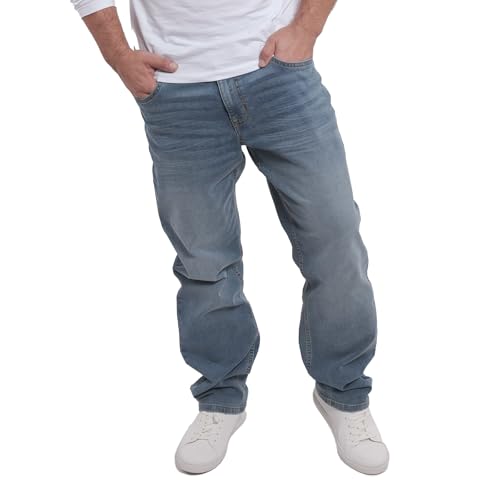
The Perfect Jean Thick Thicc Fit Jeans OG Stretch (Sky – Light Blue, 38×34)
- Sustainable Stretch Fabric: Made from recycled plastic bottles and BCI cotton
- Bright Light Blue Wash: Features mild distressing with eco-friendly interior
- Relaxed 90s Style Fit: Loose fit for comfort and vintage look
As an affiliate, we earn on qualifying purchases.
As an affiliate, we earn on qualifying purchases.
Conclusion
So, next time you’re eyeing that trendy eco-friendly piece, remember: the real sustainable basics are often the ones you overlook. It’s amusing how we chase after the latest green fad, forgetting that simple, durable staples could actually make the biggest difference. Ironically, it’s those humble basics—like a well-made t-shirt or a sturdy pair of jeans—that truly embody sustainability. Sometimes, the simplest choices are the most revolutionary, if only we’d give them a second thought.
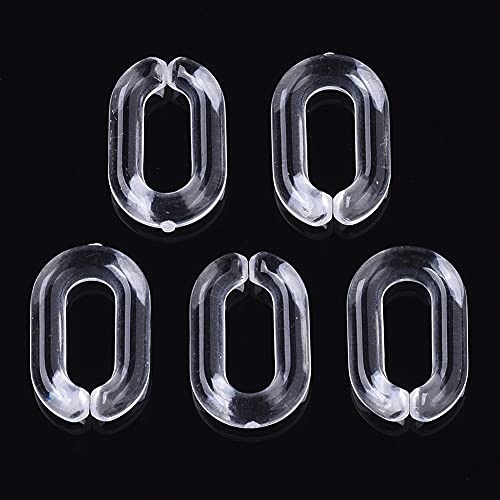
Beadthoven 100pcs Transparent Acrylic Linking Rings Oval Quick Link Connectors for Curb Chains Purse Eyeglass Chain DIY Craft Making 15x9x3mm (Clear)
- Size: 15x9x3mm with 3.5x9mm inner diameter
- Material: High-quality, lightweight acrylic with smooth surface
- Easy to Use: Open oval connectors for quick chain assembly
As an affiliate, we earn on qualifying purchases.
As an affiliate, we earn on qualifying purchases.

Amazon Basics Wood Suit Clothes Hangers for Closet Organizer, White, 30-Pack
- Organizes personal and professional clothing: Keeps clothes neat and organized
- 30-pack of hangers included: Includes 30 hangers in pack
- Made of durable smooth wood: Constructed from sturdy wood with finish
As an affiliate, we earn on qualifying purchases.
As an affiliate, we earn on qualifying purchases.