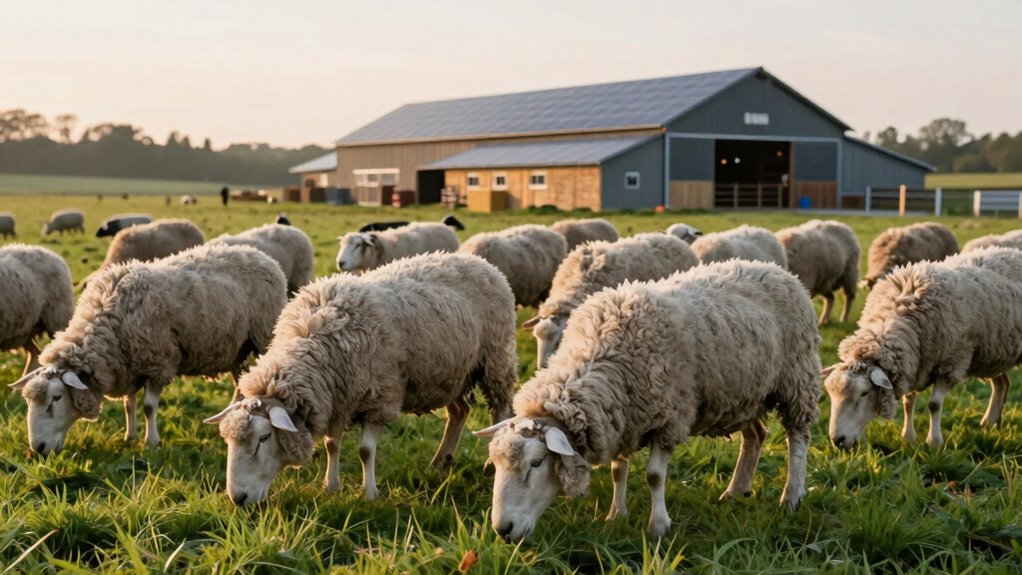

Responsible Wool Standards (RWS) ensure that wool comes from farms committed to ethical treatment, environmental sustainability, and transparency. They set strict guidelines to prevent practices like mulesing, promote humane animal care, and encourage sustainable land management. Certification shows that producers follow these standards, which promotes honesty and accountability in the industry. By choosing RWS-certified wool, you support practices that prioritize animal welfare and eco-friendly methods. If you want to discover how these standards make a real difference, keep exploring.
Key Takeaways
- RWS ensures wool is produced with humane treatment of sheep, prohibiting practices like mulesing.
- Certification verifies sustainable land management and environmental protection throughout the wool supply chain.
- It promotes transparency and traceability from farm to finished product, fostering consumer trust.
- RWS encourages continuous industry accountability and adherence to strict ethical and environmental standards.
- Choosing RWS-certified wool supports animal welfare, sustainability, and responsible production practices.
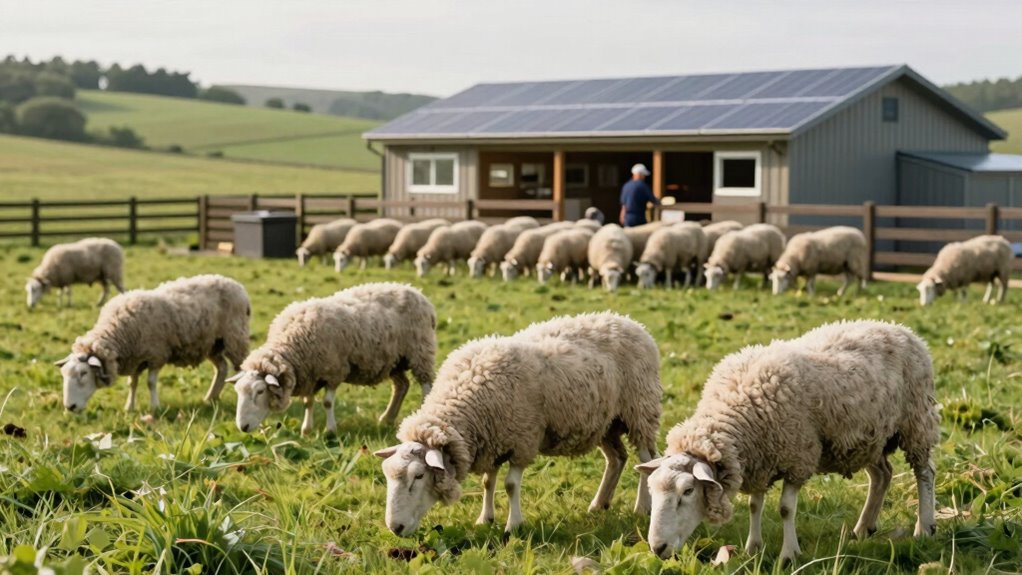
Have you ever wondered how the wool you wear is ethically sourced? When you pick up a sweater or a coat made from wool, it’s natural to contemplate not just the quality of the fabric but also where it comes from and how it impacts the world. Responsible Wool Standards (RWS) are designed to address these concerns, aiming to promote ethical sourcing and reduce environmental impact throughout the wool supply chain. These standards guarantee that wool is produced in a way that respects animal welfare, supports sustainable land management, and promotes transparency.
Ethically sourced wool supports animal welfare, sustainable land use, and transparent supply chains.
At its core, RWS sets strict guidelines that farmers and producers must follow to be certified. This includes ensuring that sheep are treated humanely, with access to pasture, proper shelter, and appropriate healthcare. The standards also prohibit practices like mulesing—an invasive procedure sometimes used to prevent flystrike—which can cause significant pain and suffering to sheep. By adhering to these guidelines, producers demonstrate a commitment to ethical sourcing, making sure that the animals are raised with respect and care. The certification process also helps to reinforce industry accountability and encourage continuous improvement.
Another crucial aspect of Responsible Wool Standards is their focus on environmental impact. Wool production can greatly affect ecosystems, especially if land is overgrazed or poorly managed. RWS encourages sustainable land management practices that protect soil health, prevent erosion, and promote biodiversity. Certification verifies that farms maintain these practices, ensuring that wool harvesting doesn’t contribute to environmental degradation. This approach helps reduce the carbon footprint of wool production, making it a more eco-friendly choice for consumers who want to minimize their environmental impact. Incorporating sustainable land management practices can also lead to healthier ecosystems and more resilient farming communities. Additionally, implementing these standards supports climate change mitigation efforts by reducing greenhouse gas emissions associated with wool production.
Transparency is also a key element of RWS. When you choose wool certified under these standards, you can trust that the entire supply chain—from farm to finished product—is traceable and verified. This transparency empowers consumers like you to make informed decisions, knowing that your purchase supports responsible practices. It also encourages brands and producers to uphold higher standards, fostering a more sustainable and humane industry.
In essence, Responsible Wool Standards are about more than just quality; they’re about guaranteeing that your wool comes from a place of integrity. When you choose ethically sourced wool, you’re supporting practices that prioritize animal welfare, sustainable land use, and environmental health. It’s a way to enjoy the comfort and durability of wool while aligning your choices with your values. By understanding what RWS truly means, you become part of a movement that promotes responsible production and a healthier planet. Additionally, certification processes ensure that these standards are consistently upheld across the industry.

Everlane – Cable Cardigan in Extrafine Luxe Merino – Navy M
LUXE MERINO WOOL : Made with 100% extrafine merino wool for a soft, smooth feel and lightweight warmth…
As an affiliate, we earn on qualifying purchases.
As an affiliate, we earn on qualifying purchases.
Frequently Asked Questions
How Does RWS Certification Impact Wool Pricing?
RWS certification can increase wool pricing because it appeals to market demand for ethically produced, environmentally responsible products. By meeting standards that reduce environmental impact, you’ll likely see a premium price, as consumers are willing to pay more for sustainable options. This certification signals quality and responsibility, making your wool more attractive in a competitive market, ultimately benefiting your bottom line and supporting eco-friendly practices.
Are Small Farms Eligible for RWS Certification?
Small farms can absolutely aim for RWS certification, though farm size doesn’t automatically exclude you. Think of certification eligibility as a garden: size doesn’t determine the quality of the blooms, but adherence to standards is essential. If your farm meets the environmental, ethical, and animal welfare criteria, you’re in the running. Smaller farms often bring unique stories and practices, making their certification both achievable and meaningful in promoting responsible wool.
What Is the Certification Process for Wool Producers?
You start the certification process by ensuring your sheep breeding practices meet RWS criteria, focusing on animal welfare and sustainable management. Next, you undergo an audit where wool grading becomes essential, verifying the quality and traceability of your wool. You’ll need to document your practices, from breeding to shearing, demonstrating compliance. Once approved, you receive certification, showcasing your commitment to responsible wool production and sustainable farming standards.
How Does RWS Address Animal Welfare Concerns?
Imagine a watchdog keeping a close eye on your sheep—RWS does that for animal welfare. It guarantees responsible practices, emphasizing ethical farming and proper animal treatment. RWS requires farmers to provide adequate shelter, access to water, and minimize stress and pain. By adhering to these standards, you can trust that the wool comes from animals treated with respect, turning ethical farming into a woven fabric of care and responsibility.
Can Rws-Certified Wool Be Traced Back to Specific Farms?
RWS-certified wool can be traced back to specific farms through farm traceability systems, ensuring transparency in the supply chain. However, certification challenges may arise, making complete traceability difficult in some cases. You can verify the origin of wool and confirm it meets RWS standards, but it’s essential to stay aware of potential gaps. Overall, RWS promotes accountability, helping you support ethically produced, responsible wool.

Dockers Men's Henry Wool Blend Top Coat, Herringbone (Without Bib), Large
Classic Workwear Appeal: Non-functional button cuffs and nylon quilted bib add a sophisicated touch to this relaxed silhouette…
As an affiliate, we earn on qualifying purchases.
As an affiliate, we earn on qualifying purchases.
Conclusion
By choosing products with the Responsible Wool Standard, you’re not just making a responsible choice—you’re helping to save the planet one wool sweater at a time. Every purchase supports ethical farming practices, animal welfare, and sustainable land management. It’s like wielding a superpower that can transform the fashion industry and protect our environment from being overrun by irresponsibility. So, next time you shop, remember: your decision can be the spark that ignites a global movement toward truly responsible wool.

MERINOSNUG 100% Merino Wool Scarf for Men & Women Australian Lightweight Soft Luxurious Warm Cashmere Feel Travel Gift
PREMIUM 100% AUSTRALIAN MERINO WOOL: Sustainably certified, 16.5μm ultra-fine merino wool fibers, gentle on sensitive skin, temperature-regulating, luxuriously…
As an affiliate, we earn on qualifying purchases.
As an affiliate, we earn on qualifying purchases.

Womens ANIMAL WOOL SAY NO TO ANIMAL TESTING Animal testing V-Neck T-Shirt
If you are an Animal Welfare Activist and Against Animal Testing, say Stop Animal Testing with the ANIMAL…
As an affiliate, we earn on qualifying purchases.
As an affiliate, we earn on qualifying purchases.