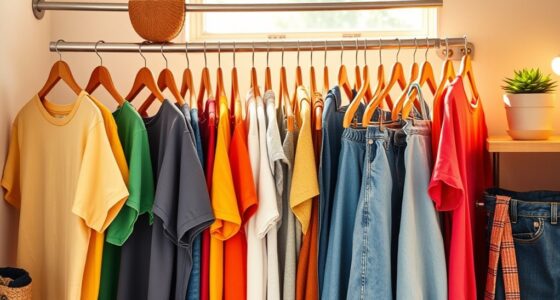

The rise of fashion rental and resale markets is transforming how you shop by offering sustainable, affordable options to traditional retail. These platforms let you refresh your wardrobe, access luxury pieces, and participate in eco-friendly practices. As more brands join these initiatives, you can enjoy high-end styles without guilt, supporting circular fashion and reducing waste. If you want to know how these trends are shaping the future of fashion, keep exploring more insights.
Key Takeaways
- Fashion rental and resale platforms promote sustainable, circular consumption by extending garment lifecycles and reducing textile waste.
- Consumers access luxury and designer pieces affordably through rental and resale, merging exclusivity with eco-consciousness.
- Collaborations between high-end brands and resale/rental platforms boost brand prestige and support environmentally friendly fashion initiatives.
- Growing awareness of climate change influences consumers to choose secondhand and rental options over fast fashion.
- The rise of these markets reflects a shift towards responsible, innovative, and eco-friendly fashion consumption habits.
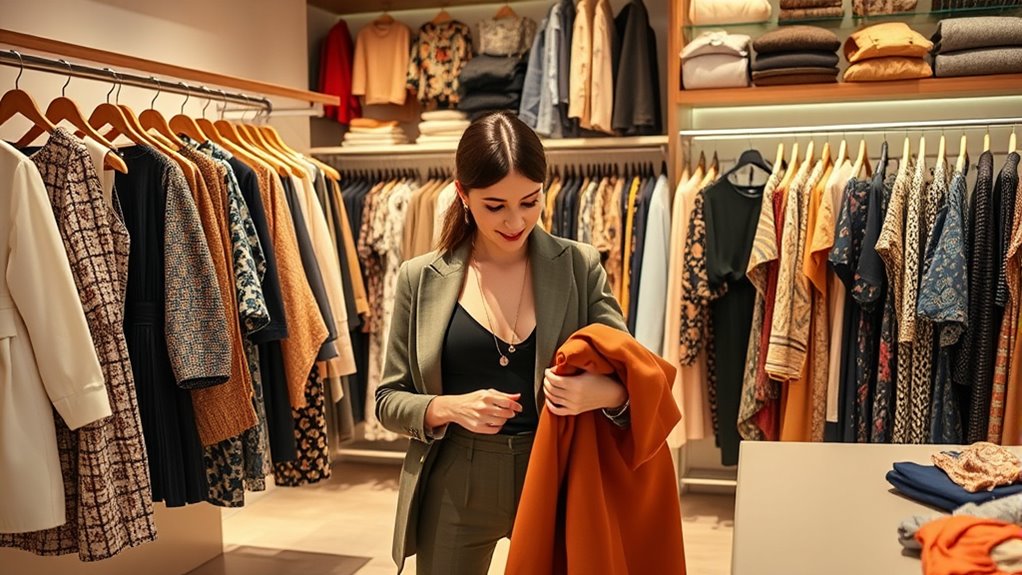
In recent years, fashion rental and resale markets have transformed how people shop for clothes, offering sustainable and affordable alternatives to traditional retail. These platforms allow you to refresh your wardrobe without the guilt of fast fashion’s environmental impact. These shifts are also driven by cutting-edge trends that emphasize eco-friendly practices and innovative business models. By choosing to rent or buy secondhand, you actively participate in sustainable fashion, reducing waste and conserving resources. As awareness around climate change and ethical production grows, more consumers are seeking ways to align their fashion choices with their values. Rental services make it easy for you to wear high-end, designer pieces for special occasions, without the hefty price tag. Resale platforms, meanwhile, let you score luxury items at a fraction of their original cost, extending the lifecycle of garments and promoting circular fashion.
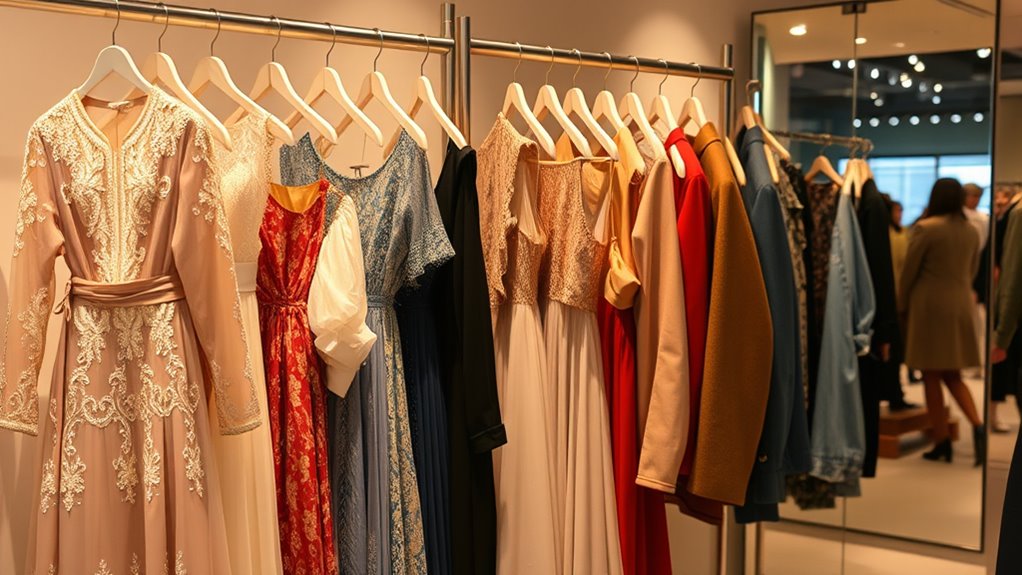
Luxury collaborations have played a significant role in fueling this shift. High-profile brands partnering with rental platforms or resale sites create buzz and prestige, making sustainable fashion more desirable. When you see a luxury label collaborating with a rental service, it signals a new era where exclusivity is accessible and environmentally conscious. These collaborations often feature limited-edition collections or curated capsule lines, enticing you to try fresh styles while supporting sustainability efforts. They demonstrate that luxury doesn’t have to be wasteful; instead, it can be part of a circular economy where designer pieces are shared, loved, and reused. This approach not only appeals to eco-conscious shoppers but also to fashion enthusiasts enthusiastic to access runway-worthy looks without the commitment of ownership.

Fashion Heist of Brandalene Horn: Unmasking the Luxury Rental Bandit
As an affiliate, we earn on qualifying purchases.
As an affiliate, we earn on qualifying purchases.
Frequently Asked Questions
How Do Rental and Resale Markets Impact Traditional Retail Stores?
You might find that rental and resale markets challenge traditional retail stores by offering more affordable options and sustainability. They often attract customers through luxury brand collaborations and exclusive deals, which can shift loyalty away from brick-and-mortar stores. To stay competitive, you should enhance your customer loyalty programs and consider integrating rental or resale options, creating a seamless experience that appeals to eco-conscious shoppers and trendsetters alike.
What Are the Environmental Benefits of Fashion Rental and Resale?
Think of fashion rental and resale as your eco-friendly allies, reducing waste and conserving resources. By choosing these options, you help lower demand for fast fashion, which relies heavily on unsustainable materials. Plus, they often use eco-friendly packaging and promote longer garment lifespans. Your choices markedly cut down carbon footprints and lessen environmental harm, making a tangible difference for our planet’s future.
How Do Pricing Strategies Differ Between Rental and Resale Platforms?
You’ll notice that rental platforms often use dynamic pricing, adjusting rates based on demand, season, or event, to maximize revenue. Resale platforms, on the other hand, focus on customer segmentation, pricing items based on rarity, brand value, or condition. This approach helps attract different buyer groups and optimize profit. By tailoring prices, both platforms enhance user experience and stay competitive in the evolving fashion market.
What Are the Legal Considerations for Reselling Designer Clothing?
Did you know that over 60% of designer brands actively defend their intellectual property rights? When reselling designer clothing, you must consider intellectual property laws to avoid infringement. Make certain your transactions have clear contract enforcement provisions to protect both parties. Always verify authenticity and respect trademarks to prevent legal issues. Staying informed about these legal considerations helps you avoid costly disputes and supports ethical resale practices.
How Is Technology Improving the Authenticity Verification Process?
You can rely on technology to improve authenticity verification through digital authentication and blockchain verification. Digital authentication uses advanced tools like high-resolution imaging and AI to analyze details, ensuring items are genuine. Blockchain verification records each item’s history securely, making it easy to trace provenance. Together, these technologies make authenticating designer clothing faster, more accurate, and tamper-proof, giving you confidence in every resale or rental transaction.

Tara Toys Barbie Be a Real Fashion Designer Classic Set DIY Doll Clothing Kit for Girls with Fabric, Ribbons, Stickers & Sketchbook Creative Fashion Toy for Ages 6+
- Design Barbie outfits: Includes fabric, ribbons, and tools
- Foster creativity: Includes sketchbook and templates
- Personalize looks: With stickers and accessories
As an affiliate, we earn on qualifying purchases.
As an affiliate, we earn on qualifying purchases.
Conclusion
Just like Da Vinci’s masterpieces, fashion is evolving beyond ownership, embracing a new era of sustainability and style. By renting or reselling, you’re not just making smarter choices—you’re rewriting the story of fashion’s future. Imagine the impact if everyone joined this movement; it’s as if we’re turning the wheel of history, one wardrobe at a time. So, step into this revolution, and let your style make a difference—because the future of fashion is in your hands.

The Sustainable Fashion Handbook
As an affiliate, we earn on qualifying purchases.
As an affiliate, we earn on qualifying purchases.

Household Essentials Cedar Fresh Cedar Rings, Pack of 6, Solid Eastern Red Cedar, Natural Moth and Odor Deterrent, Eco-Friendly and Chemical-Free, Perfect for Wire and Plastic Hangers, Natural
- Protects Clothing from Moths: Natural cedar solution without chemicals
- Made from 100% Eastern Red Cedar: Fits most hanger hooks
- Natural Odor and Moth Deterrent: Fresh cedar scent for protection
As an affiliate, we earn on qualifying purchases.
As an affiliate, we earn on qualifying purchases.