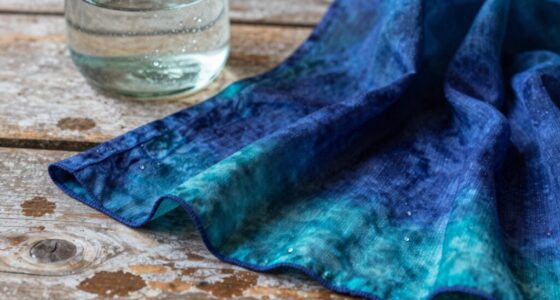

Compostable clothes are becoming a promising solution for a more sustainable fashion industry. They are made from natural, biodegradable materials that break down harmlessly in the environment, reducing landfill waste and pollution. As consumer awareness grows, brands are adopting eco-friendly practices, pushing the industry toward circularity. If you want to see how biodegradable garments could shape the future of fashion and contribute to environmental health, there’s more to explore below.

Prime made for students and young adults
- Fast, free delivery for dorm and study essentials
- Prime Video and Amazon Music included
- Member-only deals
Key Takeaways
- Compostable clothes made from natural, biodegradable materials can decompose safely, reducing landfill waste and environmental pollution.
- Advances in sustainable fabrics and plant-based dyes make compostable fashion increasingly viable and eco-friendly.
- Recycling initiatives and circular economy practices support the development of compostable clothing, promoting resource conservation.
- Consumer awareness and demand are driving brands to adopt biodegradable and compostable materials for sustainability.
- Compostable clothing represents a promising future trend toward environmentally responsible fashion and reduced long-term waste.

Have you ever wondered what happens to your clothes after you throw them away? Most likely, they end up in a landfill, taking years to decompose and contributing to environmental pollution. But what if your clothes could break down naturally and return to the earth without leaving harmful residues? That’s the promise of biodegradable fashion, which aims to create clothing that’s eco-friendly from start to finish. This movement focuses on using sustainable materials—fibers that are renewable, non-toxic, and capable of decomposing peacefully in natural environments. By choosing these materials, designers and brands can reduce their ecological footprint and promote more responsible consumption.
Discover how biodegradable fashion helps clothes return to nature safely and sustainably.
Sustainable materials play an essential role in making biodegradable fashion a reality. Natural fibers like organic cotton, hemp, bamboo, and linen are inherently biodegradable, breaking down much faster than synthetic fabrics. More innovative options include plant-based dyes and fibers derived from agricultural waste, which further lessen environmental impact. These materials are often produced through recycling initiatives that emphasize circularity, encouraging the reuse of resources and minimizing waste. Recycling initiatives help close the loop, transforming discarded fabrics into new garments or raw materials, consequently reducing the need for virgin resources and cutting down on pollution caused by textile manufacturing.
When you opt for clothes made from sustainable materials, you’re supporting a system that values durability and eco-conscious production. Brands that prioritize biodegradable fabrics often participate in recycling initiatives—collecting old garments and repurposing them into new products or composting them after their useful life. This cycle not only diminishes waste but also promotes awareness about the importance of reducing landfill contributions. The emphasis on biodegradable clothing pushes the industry toward transparency and accountability, encouraging companies to innovate and develop eco-friendly alternatives that are both stylish and sustainable.
In essence, biodegradable fashion isn’t just a trend; it’s a necessary step toward a more sustainable future. By choosing garments made from sustainable materials and supporting recycling initiatives, you help foster a circular economy that benefits the planet. Your choices influence brands to prioritize eco-friendly practices, ultimately leading to a fashion industry that’s more responsible and less damaging. As awareness grows, so does the demand for compostable clothes that can naturally return to the earth without leaving harmful traces behind. Embracing biodegradable fashion means acknowledging your role in the bigger picture—reducing waste, conserving resources, and helping create a cleaner, greener world for generations to come.
biodegradable clothing made from natural fibers
As an affiliate, we earn on qualifying purchases.
As an affiliate, we earn on qualifying purchases.
Frequently Asked Questions
How Long Does Compostable Clothing Take to Decompose?
Compostable clothing typically takes around 90 days to decompose fully, depending on environmental conditions. You might compare this to synthetic alternatives, which can persist for hundreds of years. To make the most of textile recycling efforts, choose compostable fabrics that break down quickly and reduce waste. Proper composting practices guarantee your clothes decompose efficiently, helping you minimize environmental impact and support eco-friendly fashion choices.
Are Compostable Fabrics as Durable as Conventional Textiles?
You’ll find that compostable fabrics, like those made from mushroom mycelium, often have comparable fabric longevity and material strength to traditional textiles. For example, a startup developed biodegradable shoes that last through multiple wears before composting. While some compostable materials may have slightly less durability, ongoing innovations improve their strength, making them suitable for everyday use. So, you can enjoy eco-friendly fashion without sacrificing durability.
Can Compostable Clothes Be Washed Repeatedly Without Damage?
Yes, you can wash compostable clothes repeatedly without compromising them if you follow proper care and maintenance. Use gentle cycles and mild detergents to protect the fabric’s integrity, which helps enhance fabric longevity. Avoid harsh chemicals and high heat, as these can weaken the fibers over time. Proper care ensures your compostable clothes stay durable through multiple washes, maintaining their eco-friendly benefits while lasting longer in your wardrobe.
What Environmental Impacts Do Biodegradable Dyes Have?
A bird in the hand is worth two in the bush, and choosing eco-friendly dyes diminishes environmental pollution. Biodegradable dyes generally have a lower environmental impact than synthetic ones, but some still contain chemicals that can harm ecosystems if not properly managed. Opting for eco-friendly manufacturing processes guarantees these dyes break down safely, minimizing pollution and supporting sustainable fashion. You help protect the planet by supporting brands committed to environmentally responsible dyeing practices.
Are There Affordable Options for Biodegradable Fashion?
Yes, you can find affordable biodegradable fashion options. Cost considerations vary depending on material availability and brand choices, but many brands now offer eco-friendly clothing at accessible prices. Look for brands that prioritize sustainable materials like organic cotton or hemp, which are more widely available and cost-effective. Shopping during sales or choosing versatile pieces also helps keep costs low while supporting environmentally friendly fashion.
plant-based dye eco-friendly shirts
As an affiliate, we earn on qualifying purchases.
As an affiliate, we earn on qualifying purchases.
Conclusion
As you consider the future of fashion, remember that choosing biodegradable clothes isn’t just a trend—it’s a revolution that could save our planet from drowning in endless waste. By embracing compostable garments, you’re not just making a sustainable choice; you’re helping to turn the tide against environmental disaster. Every small step, like opting for biodegradable fashion, has the power to ignite a global movement so mighty it could reshape our world. The future truly depends on what you wear today.
recyclable sustainable fabrics for clothing
As an affiliate, we earn on qualifying purchases.
As an affiliate, we earn on qualifying purchases.
As an affiliate, we earn on qualifying purchases.
Halloween Picks
halloween
As an affiliate, we earn on qualifying purchases.